
France Walk
Arles, France Roman Old Town Walk
Roman Amphitheatre, Saint-Trophime, Cryptoportiques & the Wednesday Market
A walk through Arles — one of the most historically layered cities in France. This 4.5-mile tour covers the full old city, from the Roman amphitheatre and ancient theatre to the medieval cloister of Saint-Trophime, the underground Cryptoportiques, the Rhône riverfront, and the famous Wednesday market along Boulevard des Lices — one of the largest open-air markets in Provence.
Date
Wednesday, September 17, 2025
Distance
4.5 mi / 7.2 km
Duration
3:11:12
Weather
76.0 F / 24.0 C
Video Highlights
Jump to highlights
Intro & Map
0:00
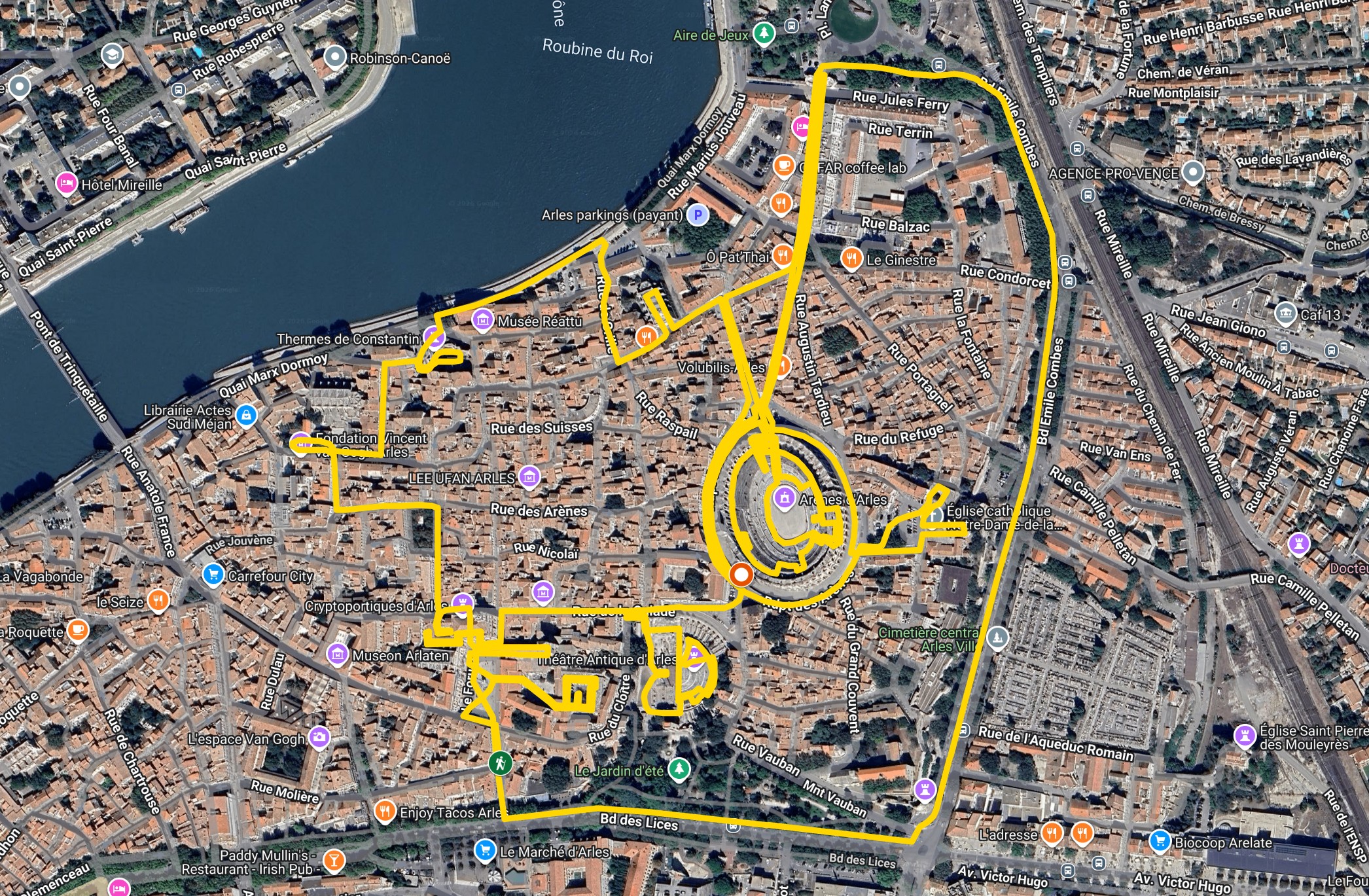
An overview map traces the route through Arles — one of the richest Roman cities north of the Mediterranean and a UNESCO World Heritage town since 1981.
Walk begins on Rue Jean Jaures
0:53
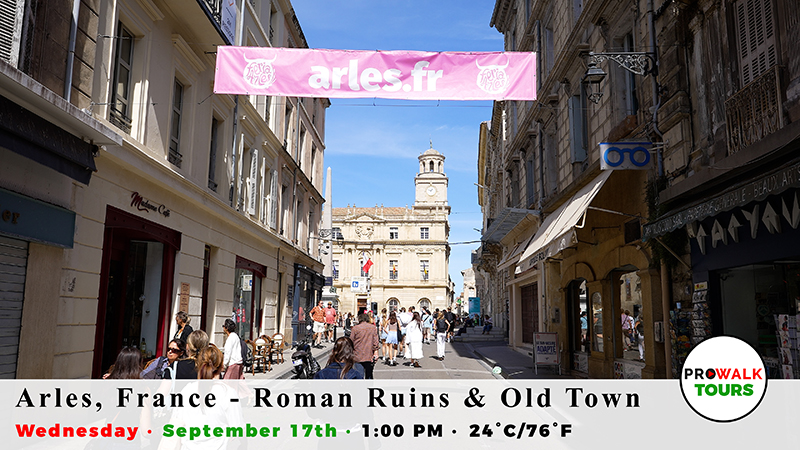
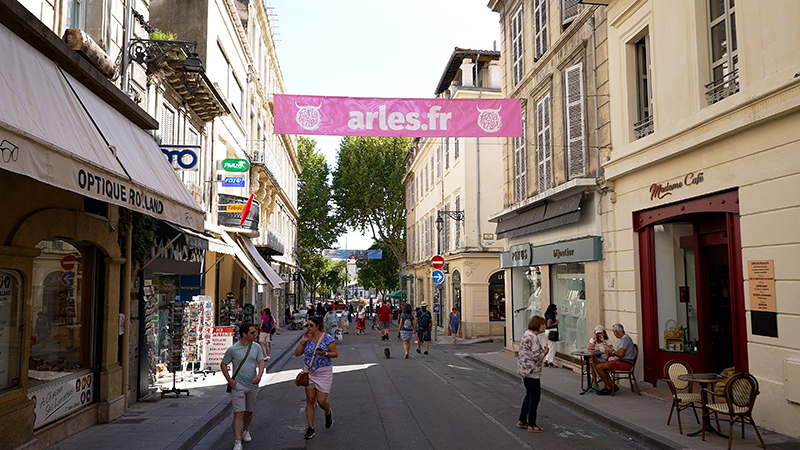
The walk begins on Rue Jean Jaures, heading toward the heart of the city and the Place de la Republique — Arles’ main square.
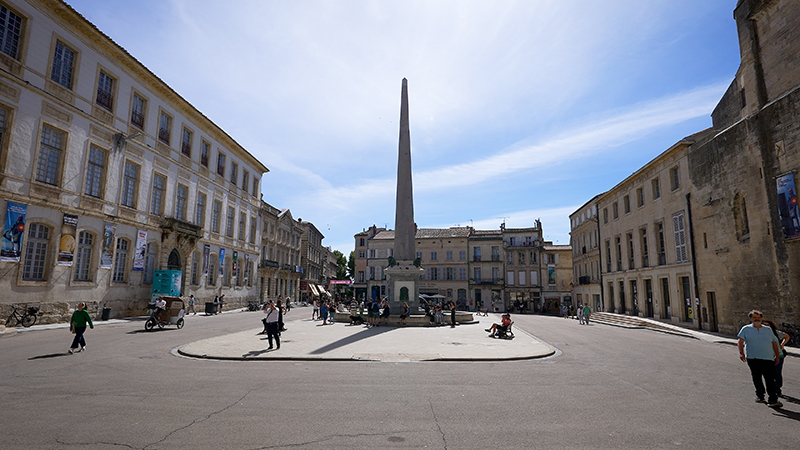
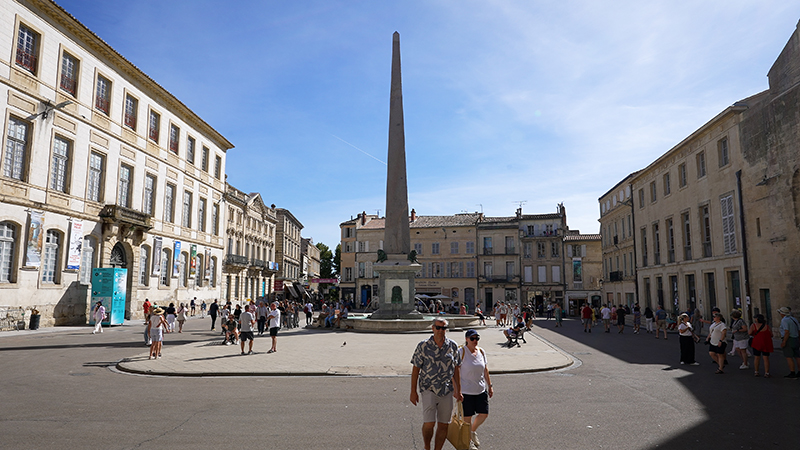
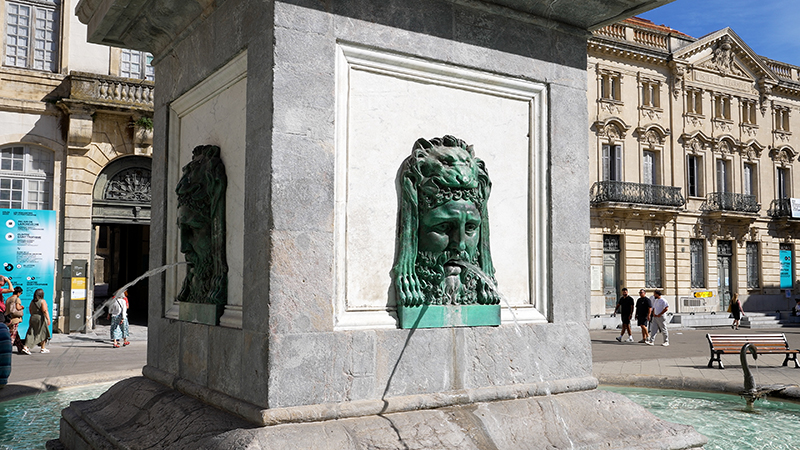
Place de la Republique
1:42
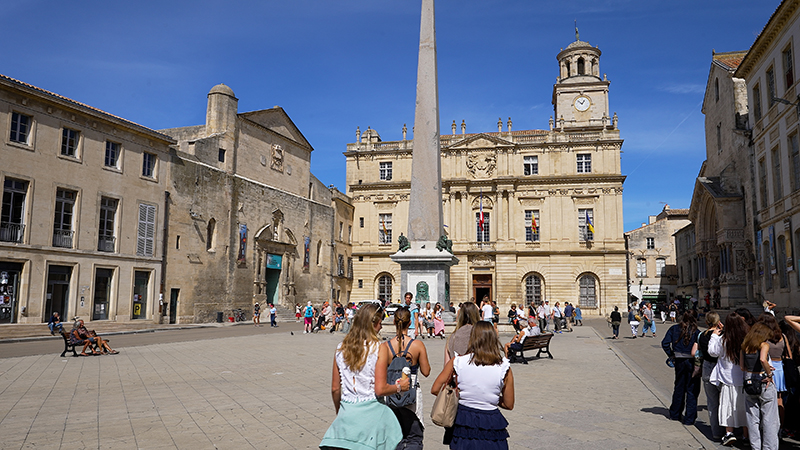
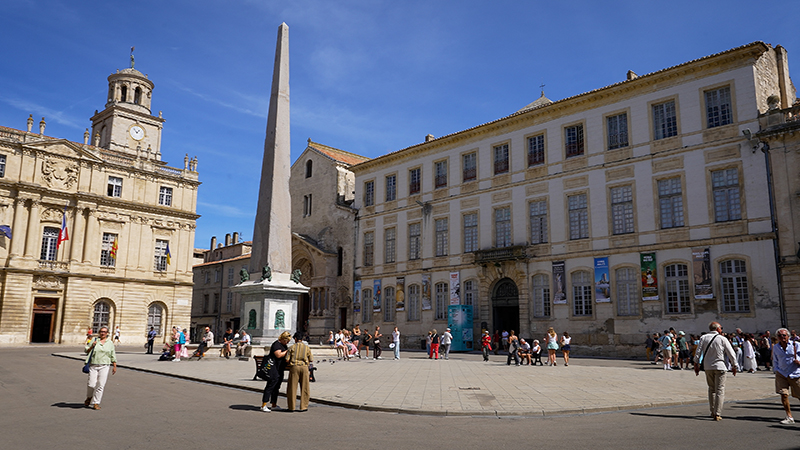
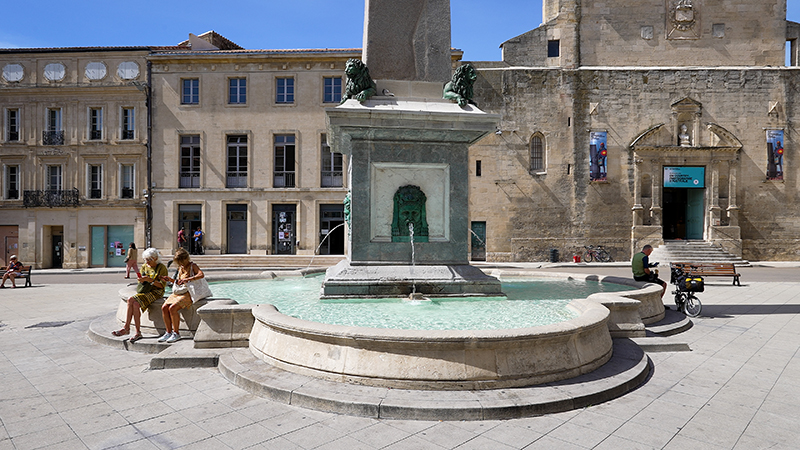
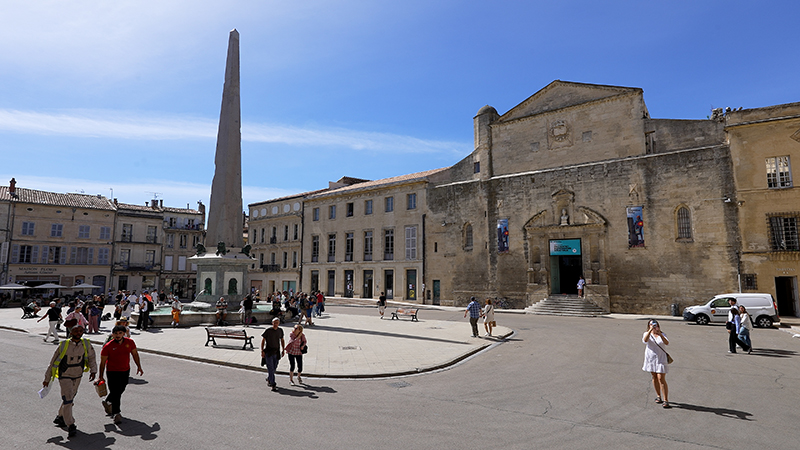
The Place de la Republique is the grand main square of the old city, anchored by a 4th-century Roman obelisk originally from the spina of the Roman circus — re-erected here in 1676 for the glory of Louis XIV.
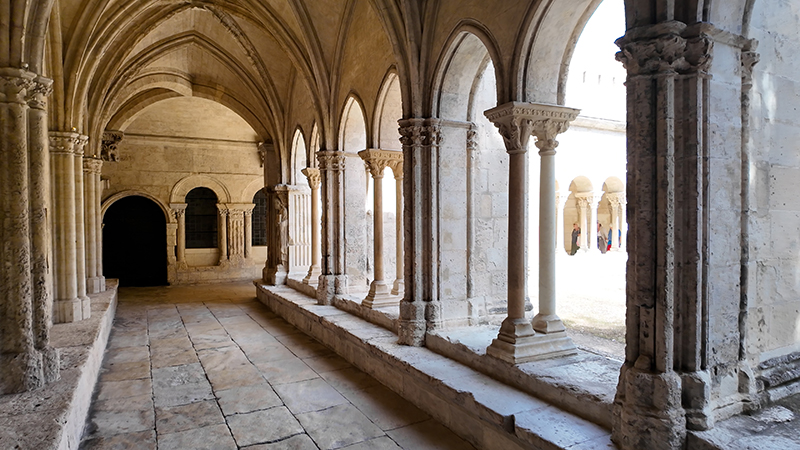
Cloitre Saint-Trophime
5:17
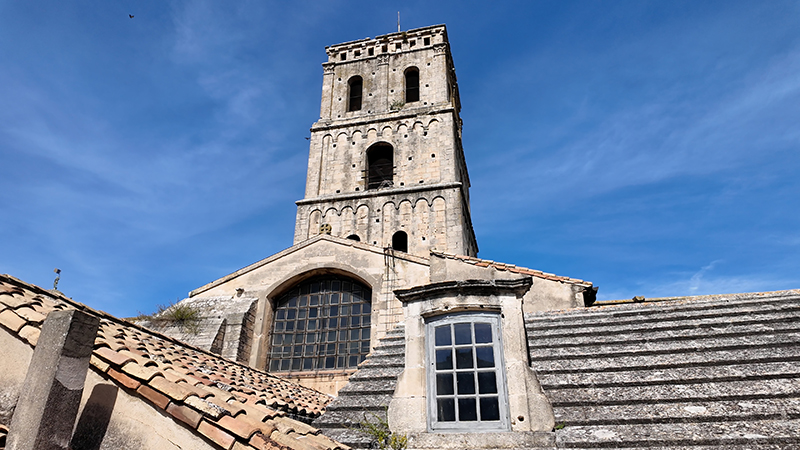
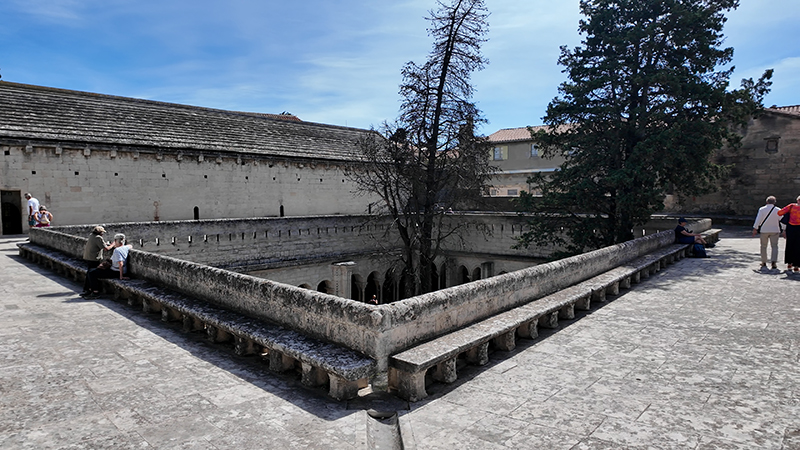
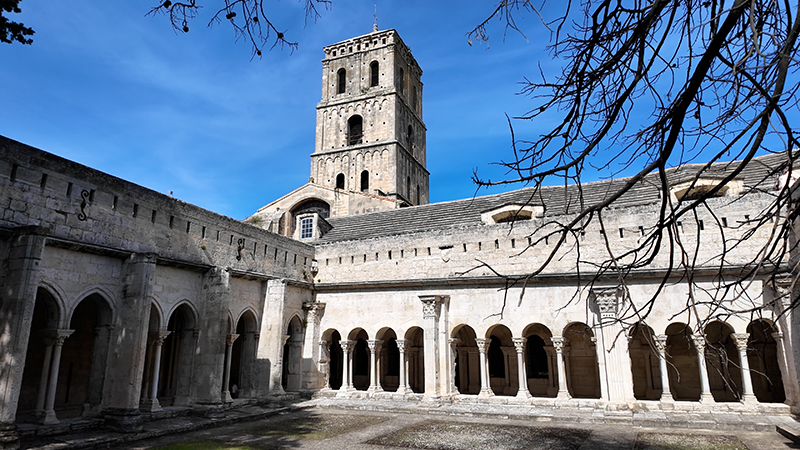
The Cloitre Saint-Trophime is one of the finest Romanesque and Gothic cloisters in Provence — its corner pillars carved with saints and apostles are considered masterpieces of 12th-century sculpture.
Saint-Trophime Cathedral
18:17
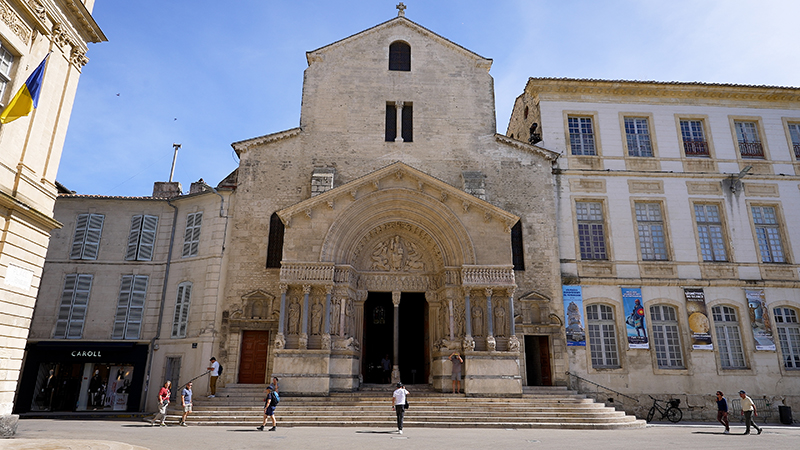
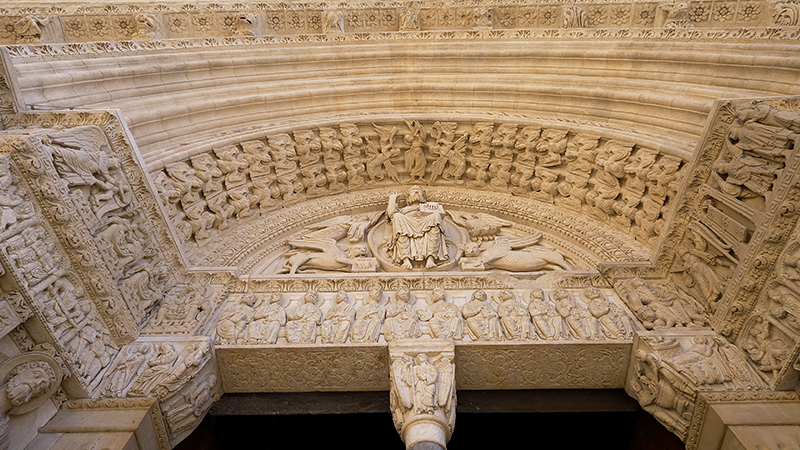
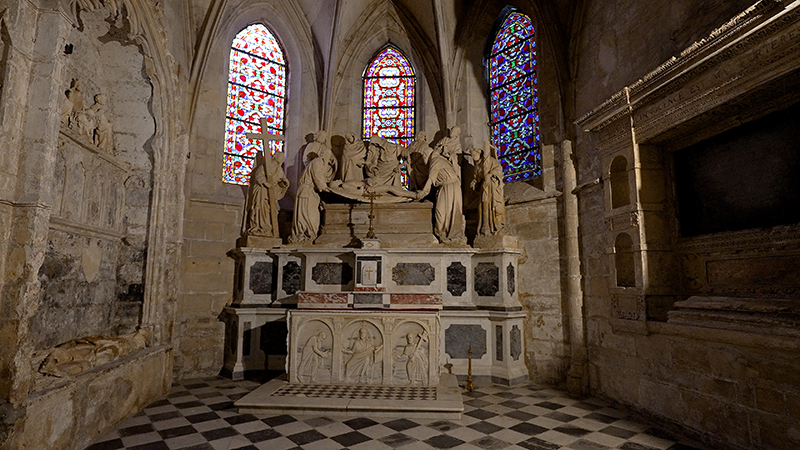
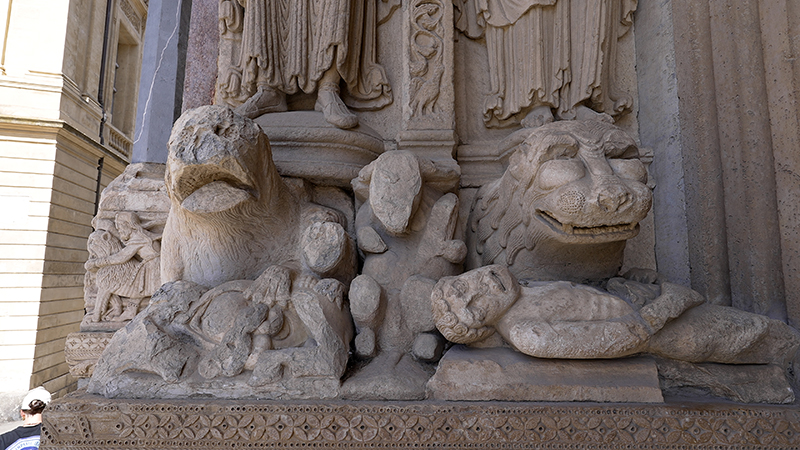
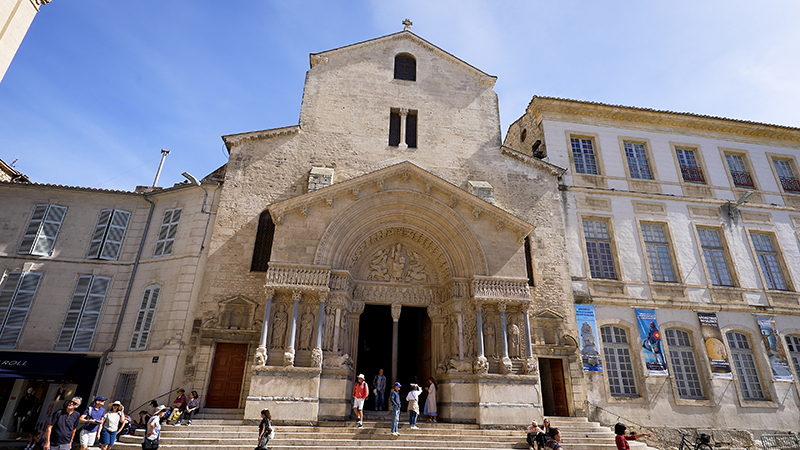
The Saint-Trophime Cathedral portal, carved in the mid-12th century, depicts the Last Judgment in extraordinary detail — Christ in Majesty flanked by the Apostles, with the blessed and damned sorted below.
Cryptoportiques
26:42
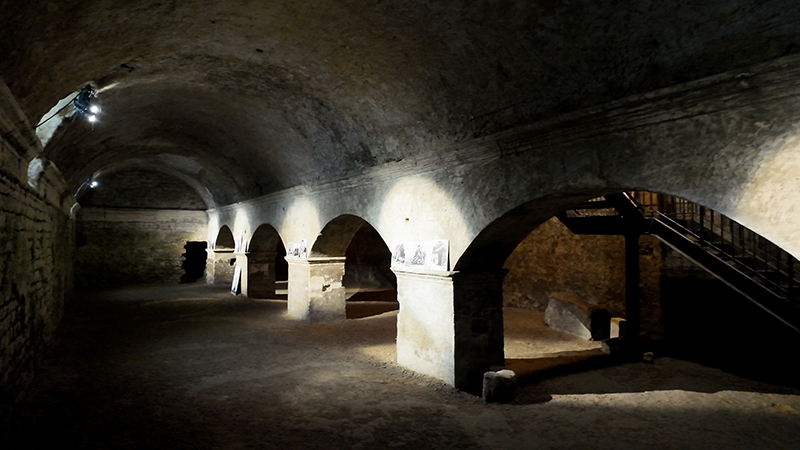
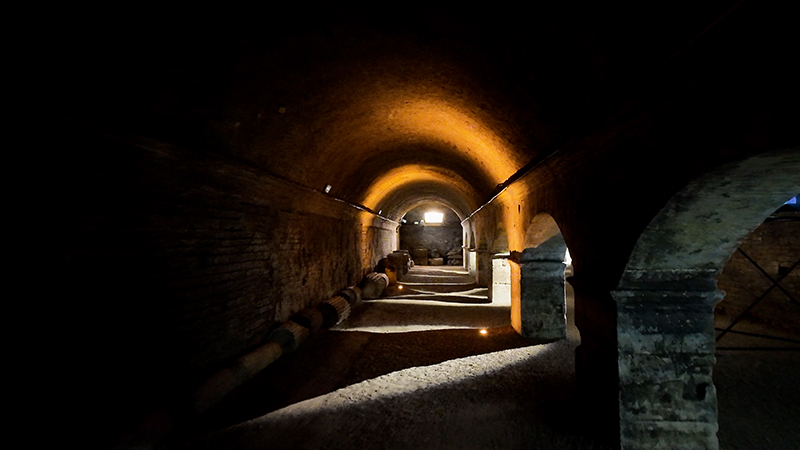
The Cryptoportiques are a network of subterranean Roman galleries built around 30 BC that formed the foundation of the Roman forum above — damp, dimly lit, and remarkably intact after 2,000 years.
Theatre Antique
36:28
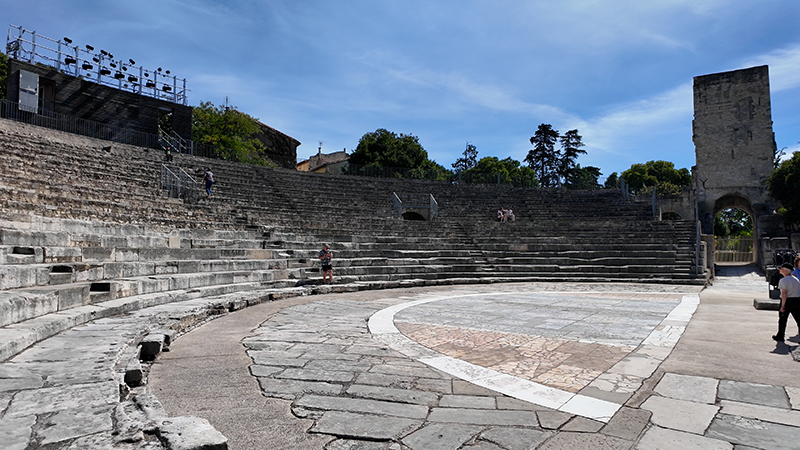
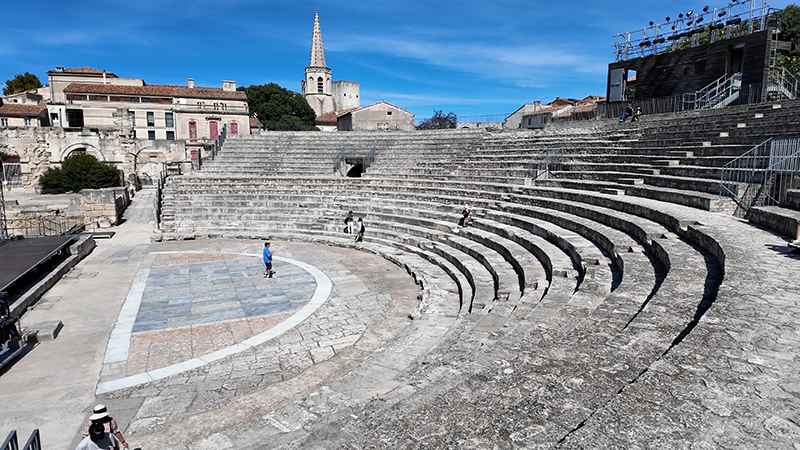
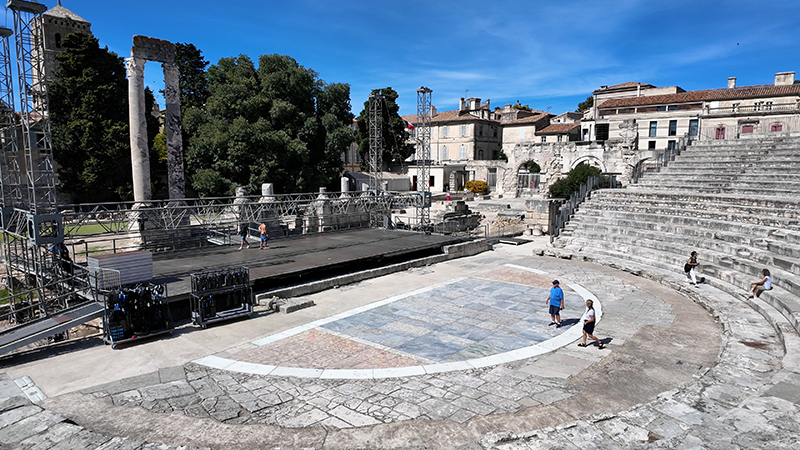
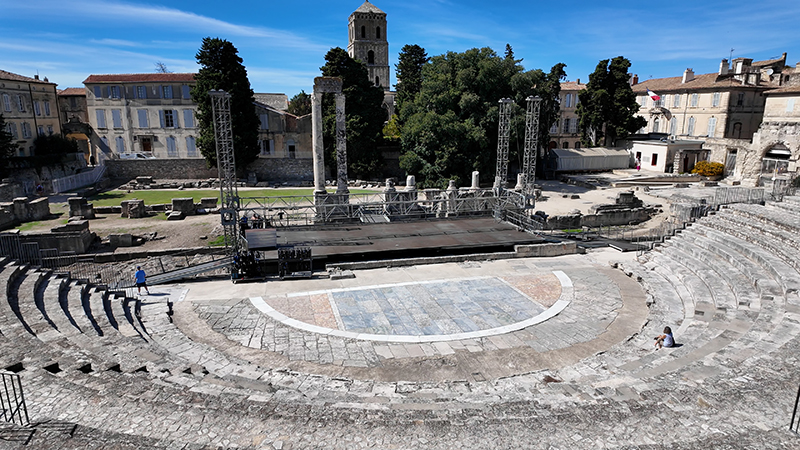
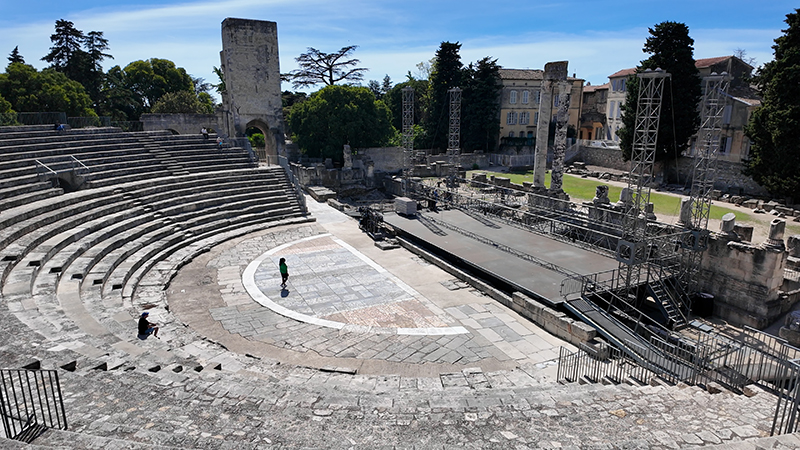
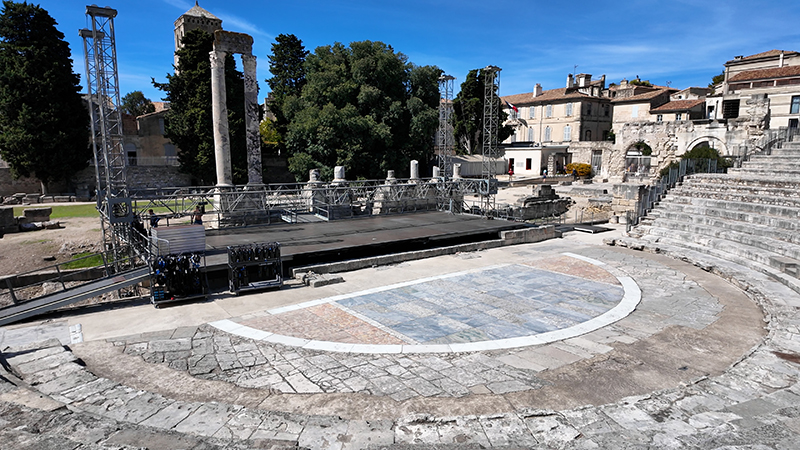
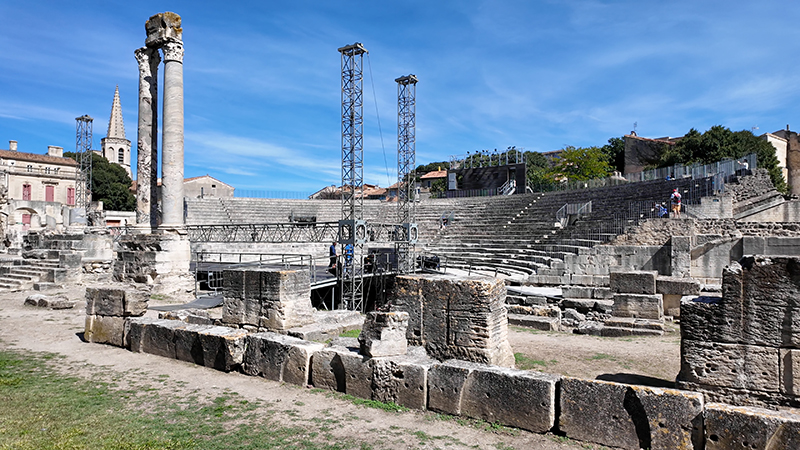
The Roman Theatre of Arles was built during the reign of Augustus around 12 BC — one of the oldest Roman monuments in France and a full century older than the amphitheatre.
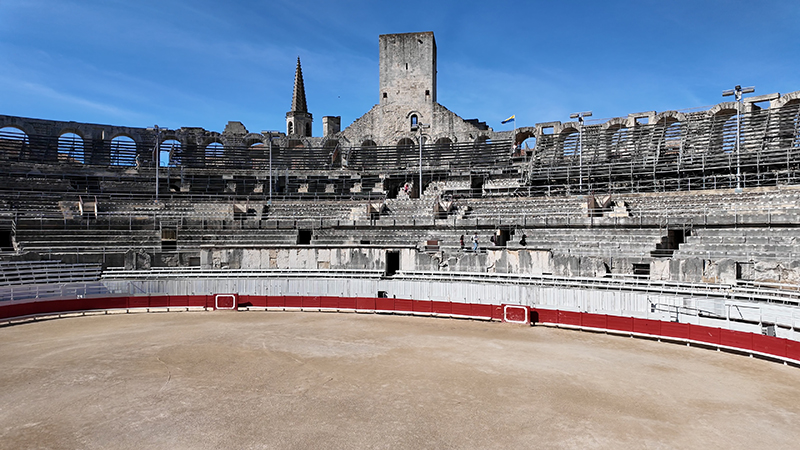
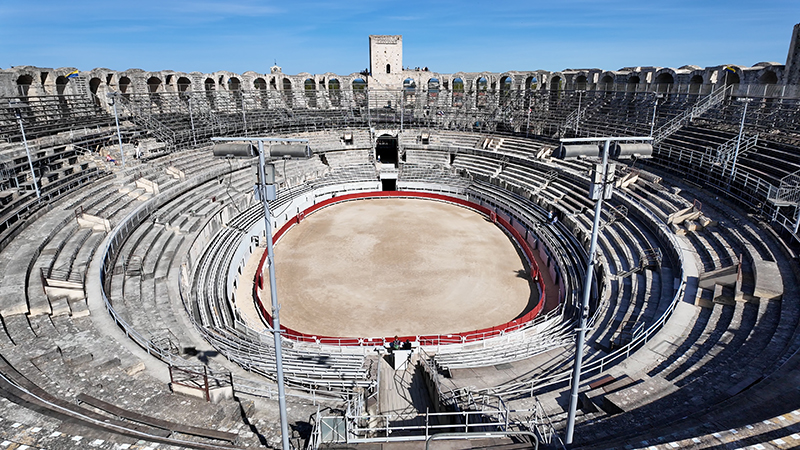
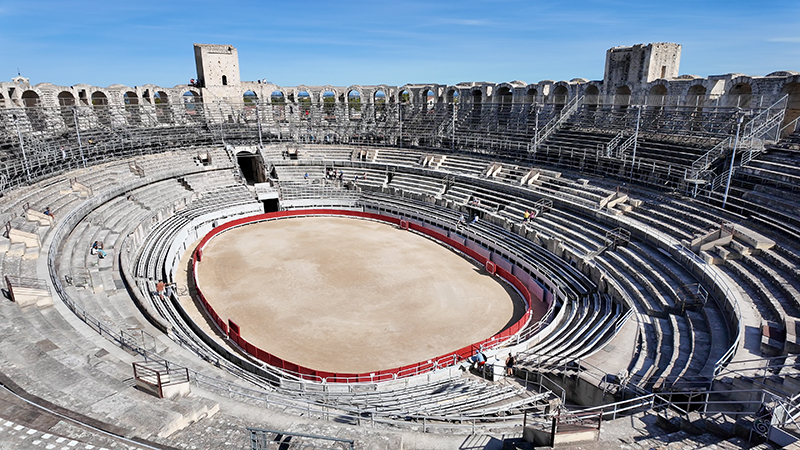
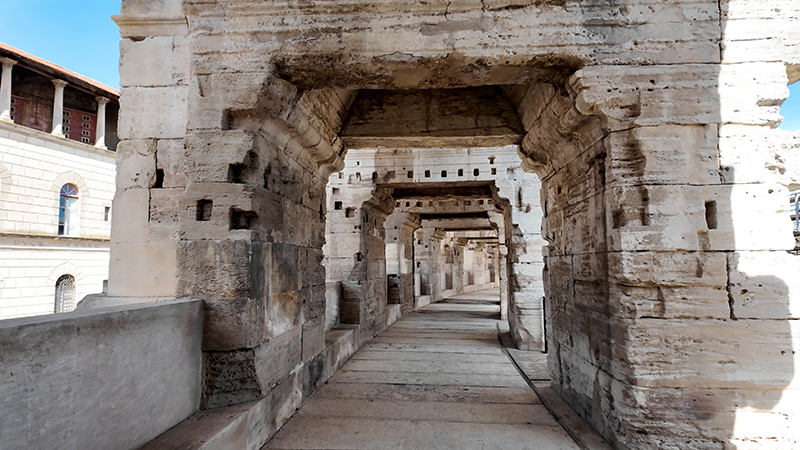
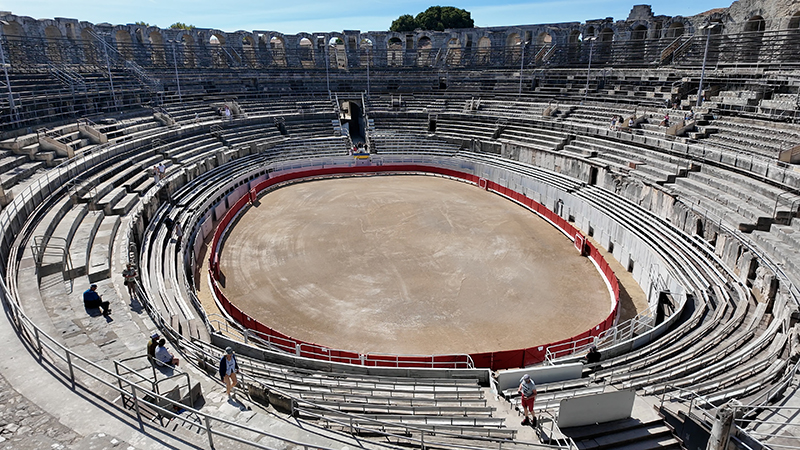
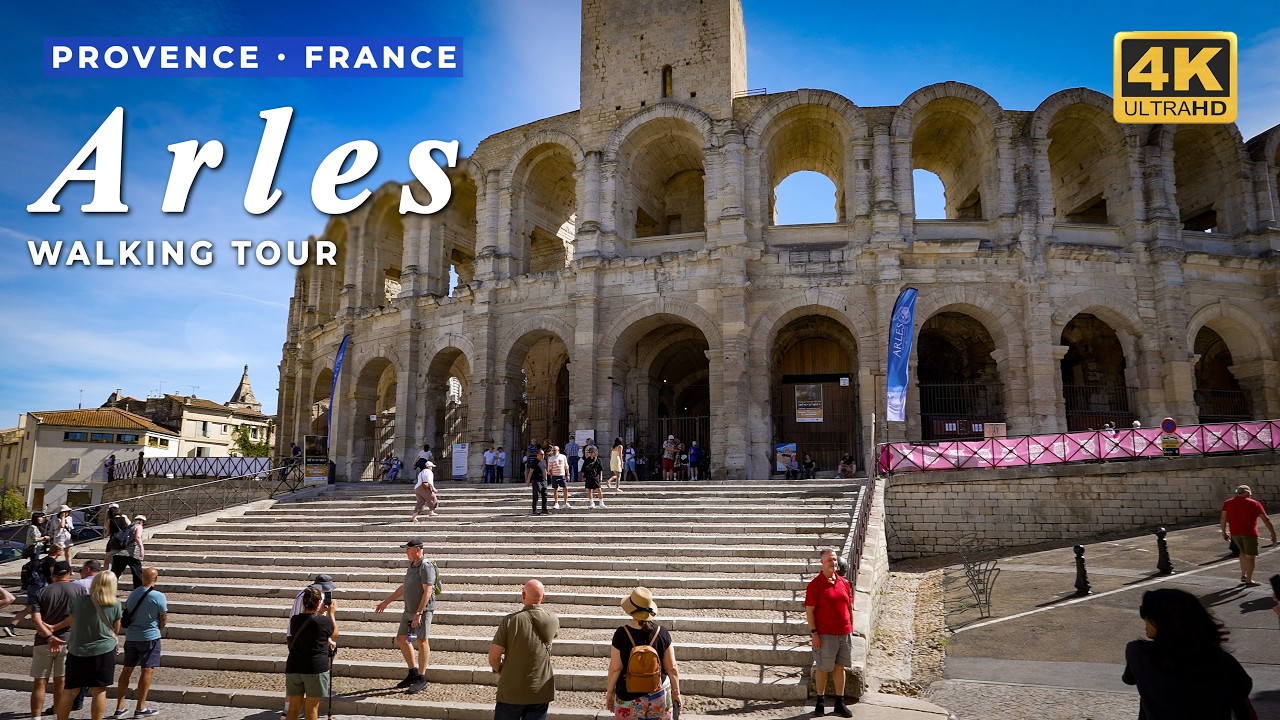
Arles Amphitheatre
50:03
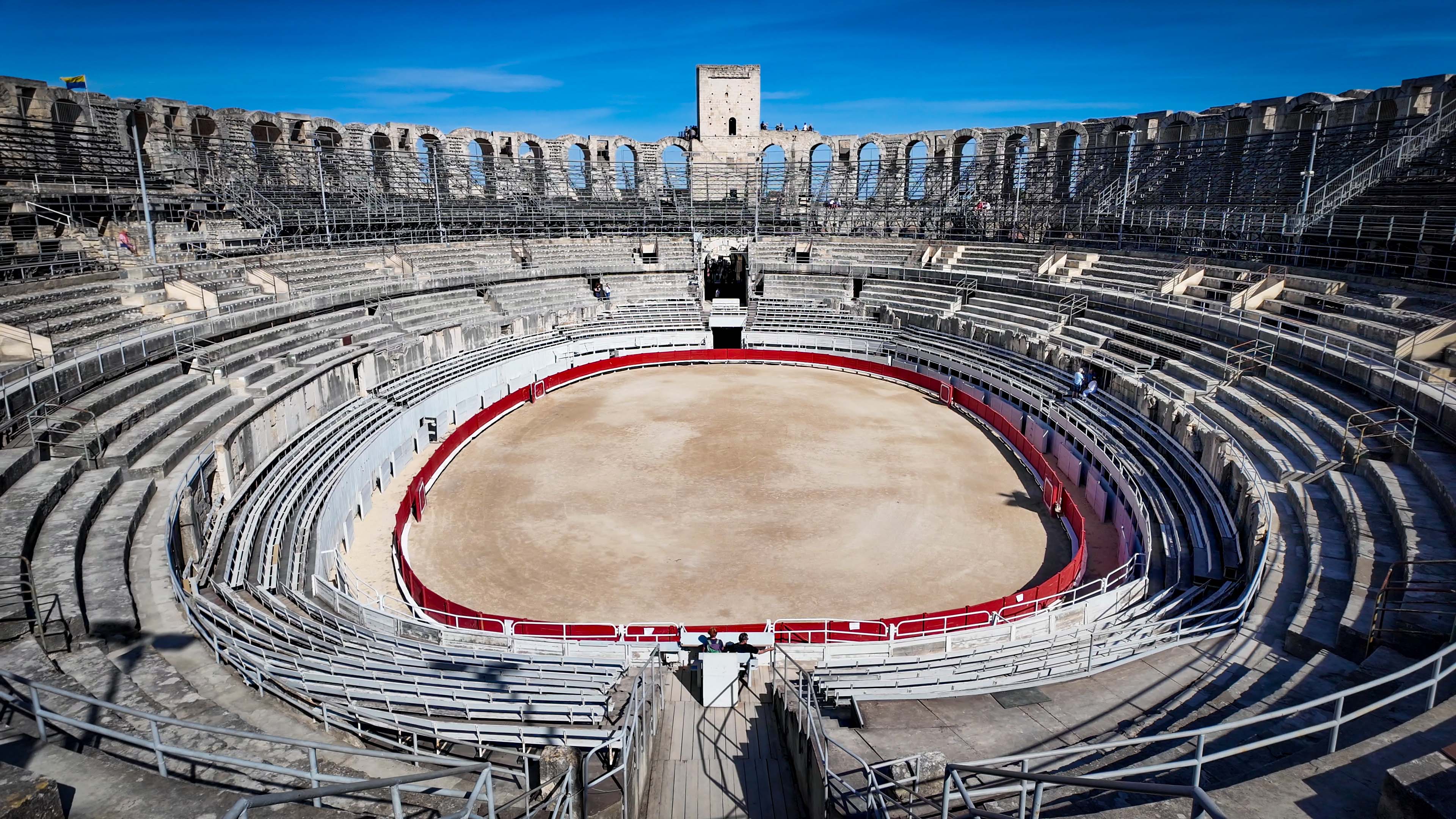
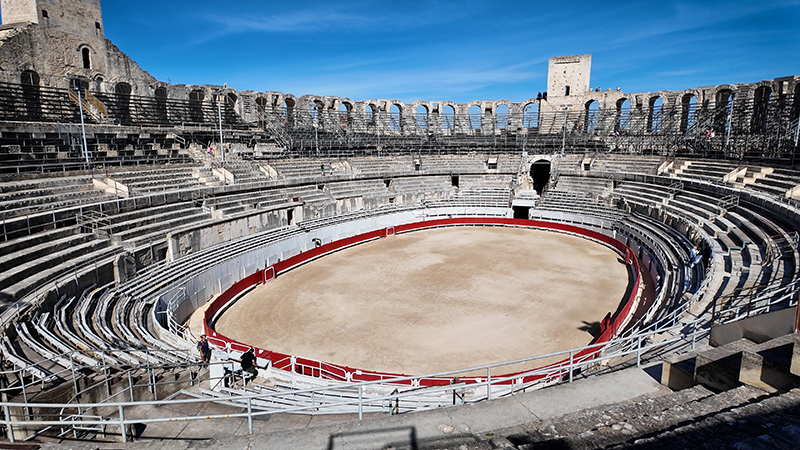
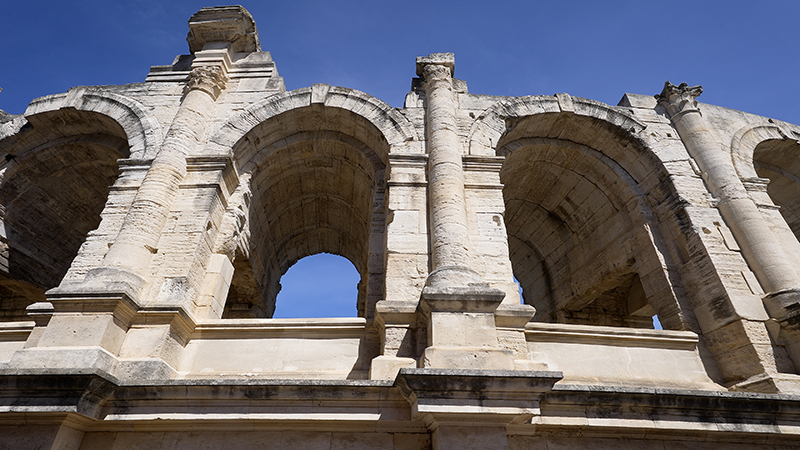
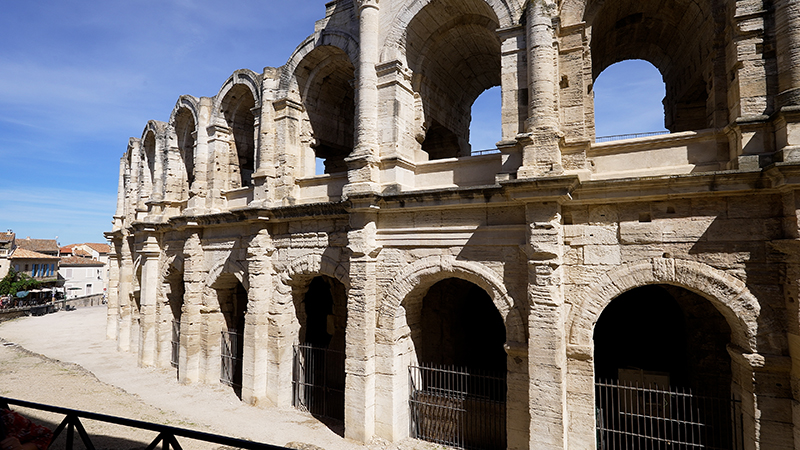
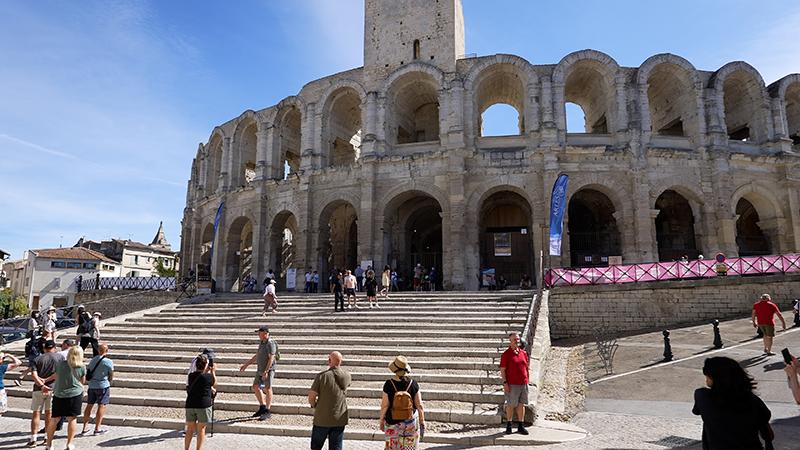
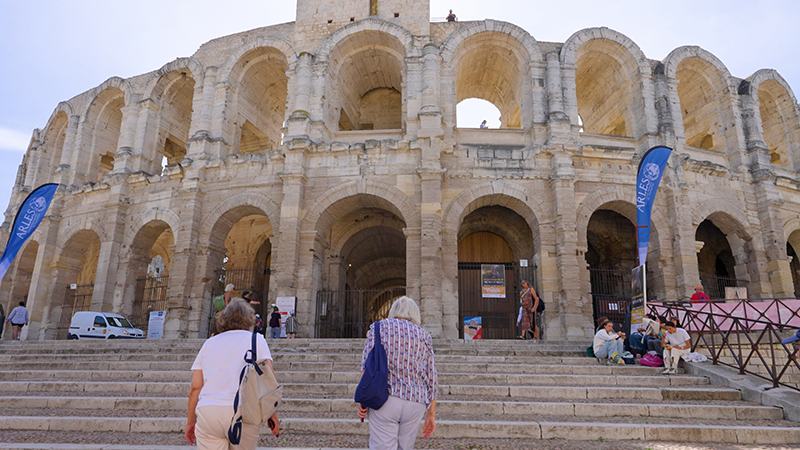
The Arenes d’Arles was built around 90 AD — just a decade after the Colosseum in Rome — and could seat 20,000 spectators for gladiatorial combat and chariot races.
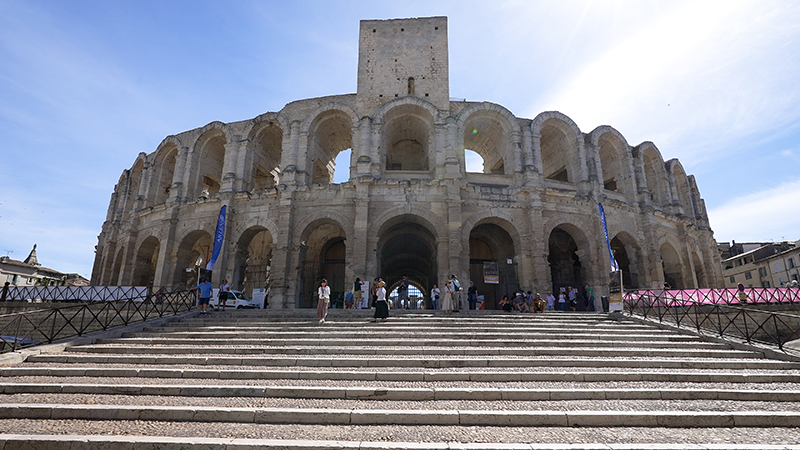
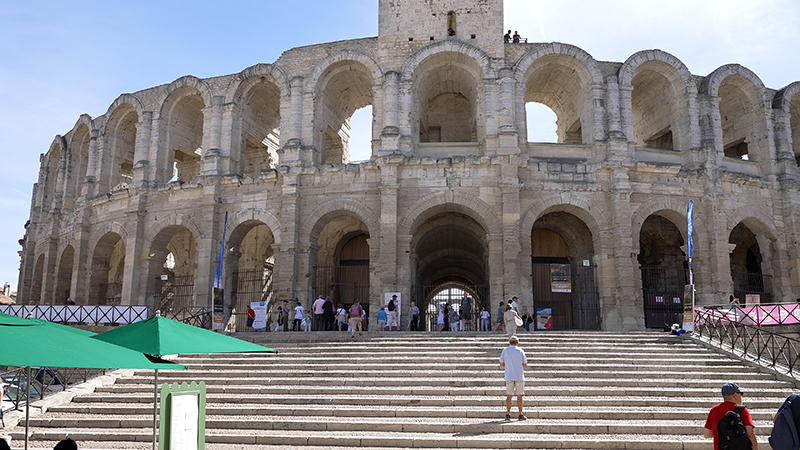
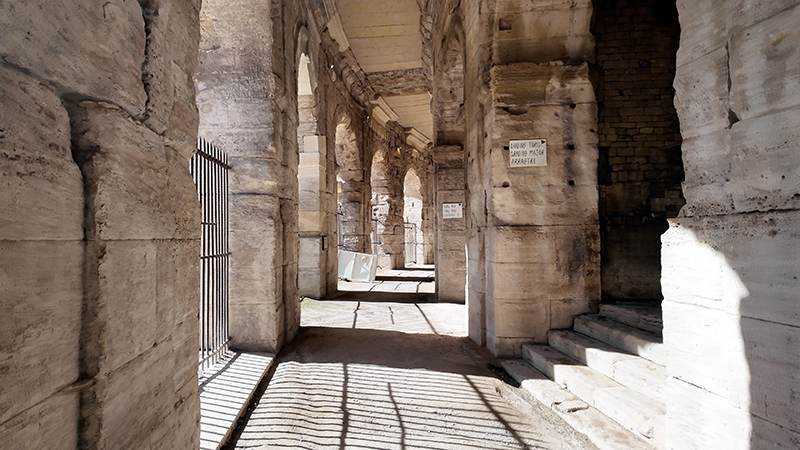
Amphitheater Entrance
54:16
Passing through the entrance tunnel — the Romans called these vomitoria — each designed to channel thousands of spectators in and out of the arena within minutes.
Best View of Amphitheatre
1:00:23
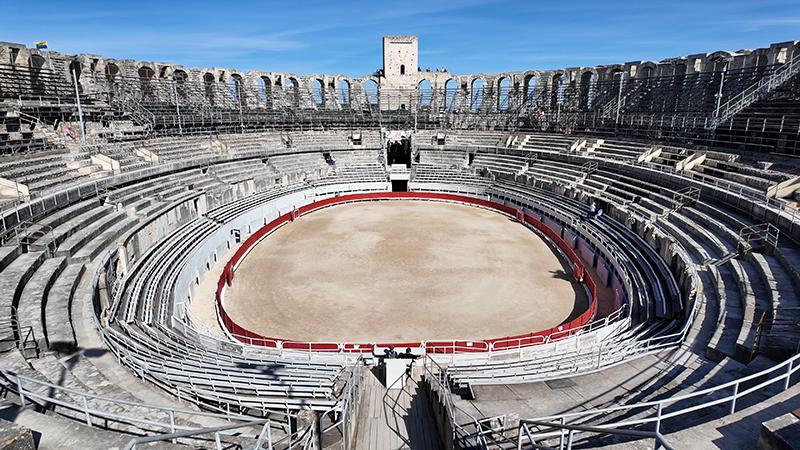
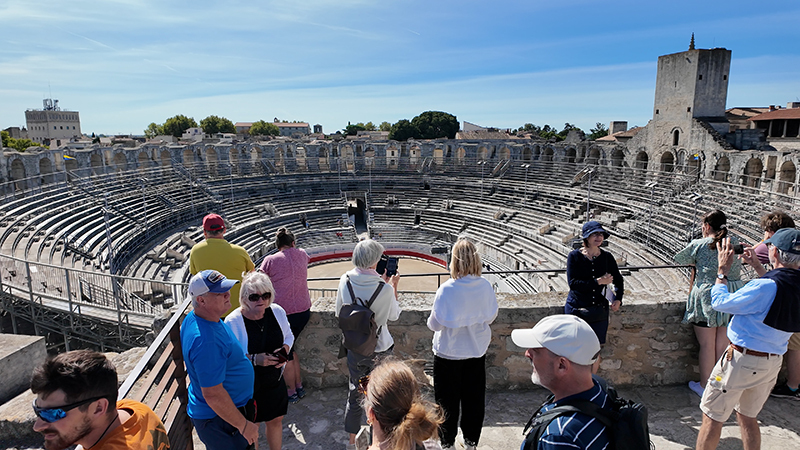
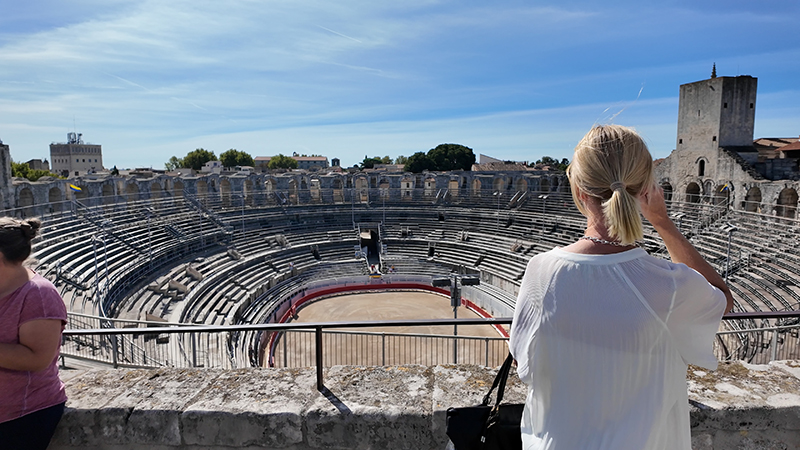
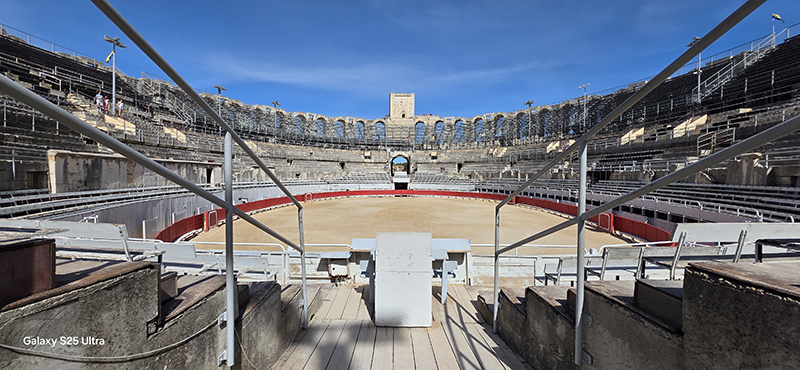
The full panorama of the arena opens up from this side — the sweeping curve of the seating, the sandy floor below, and three of the four medieval watchtowers added when the amphitheatre was used as a fortress.
Amphitheatre Tower
1:07:35
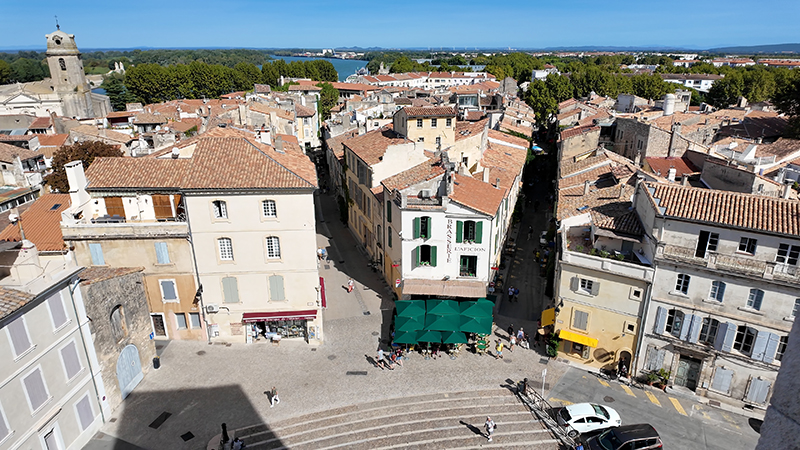
One of the medieval towers added to the amphitheatre when it was converted into a fortified town — looking out over the steps and the Place des Arenes from the top.
Best Seat in the Amphitheatre
1:18:43
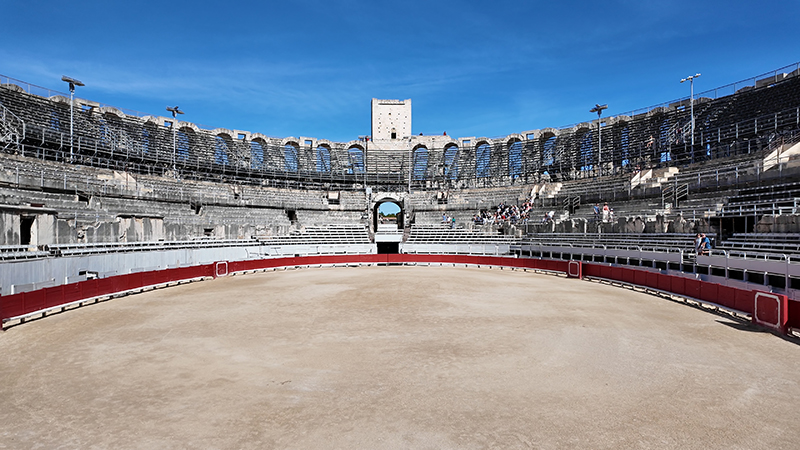
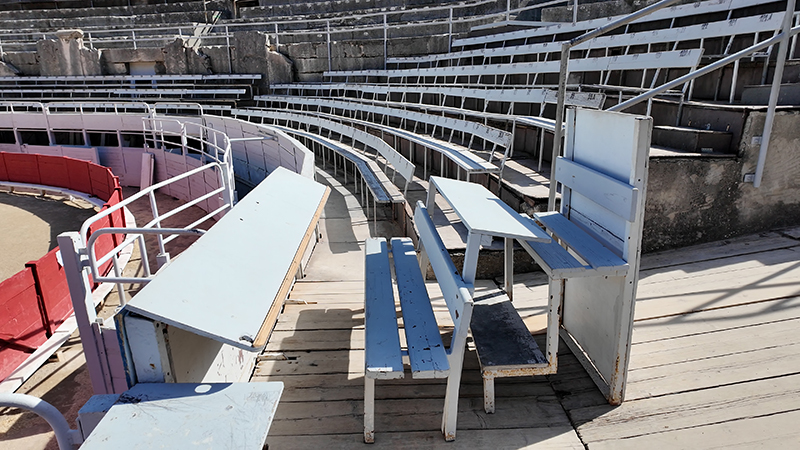
The box seat at the far end of the lower tier — the best seat in the entire arena, directly opposite the royal box, with an unobstructed view of the entire arena floor.
Place des Arenes
1:22:45
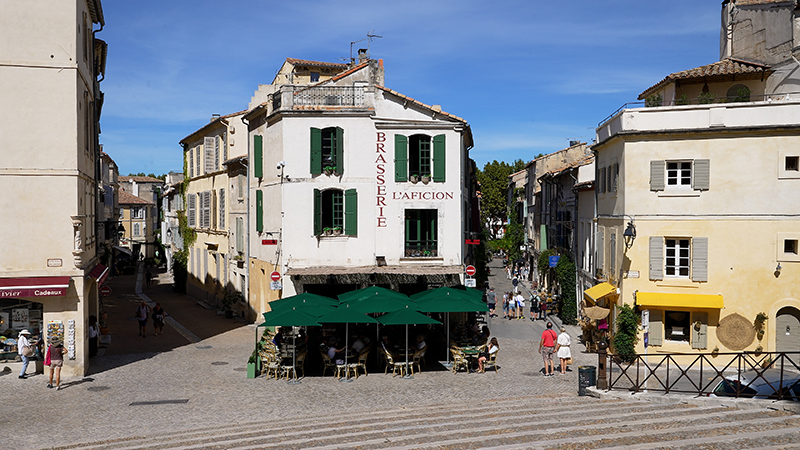
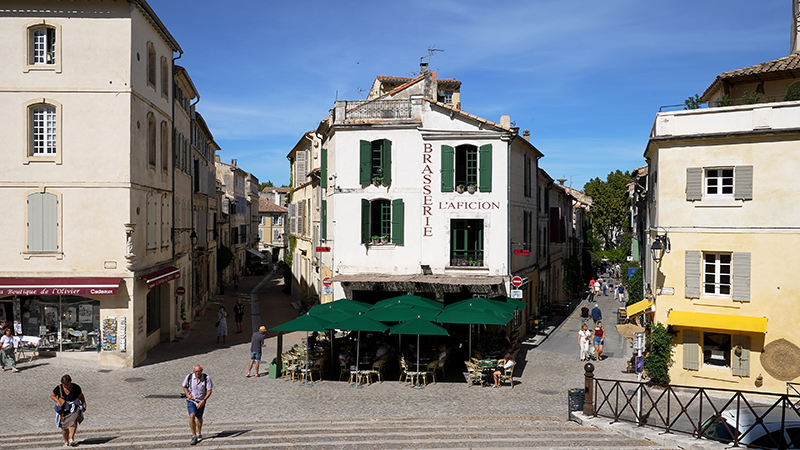
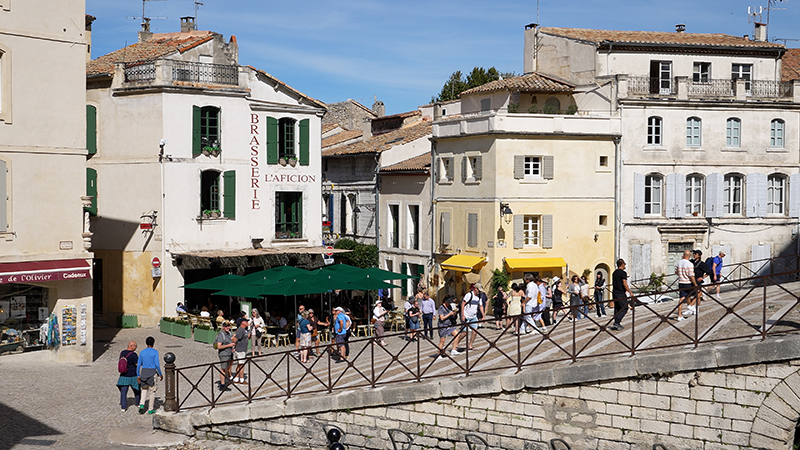
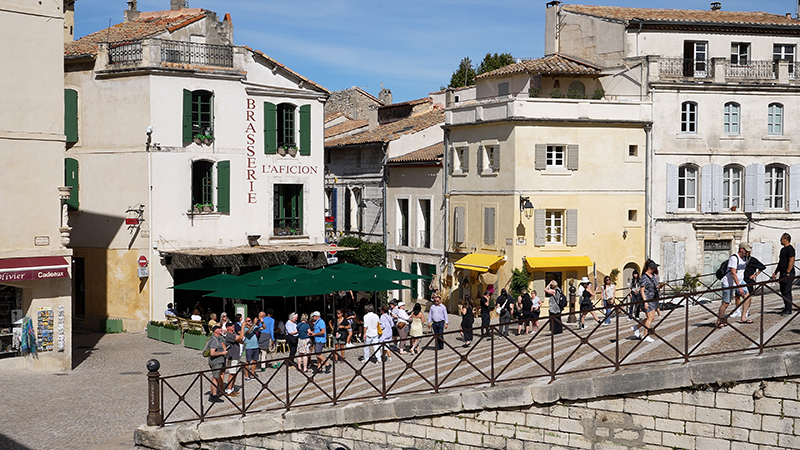
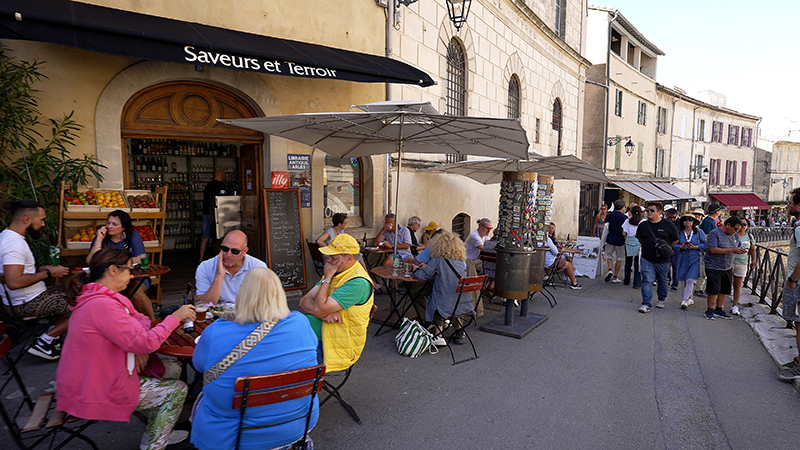
The square in front of the amphitheatre steps — cafe umbrellas, souvenir stalls, and the sheer scale of the Roman arches towering above the street level below.
Rue Voltaire
1:23:40
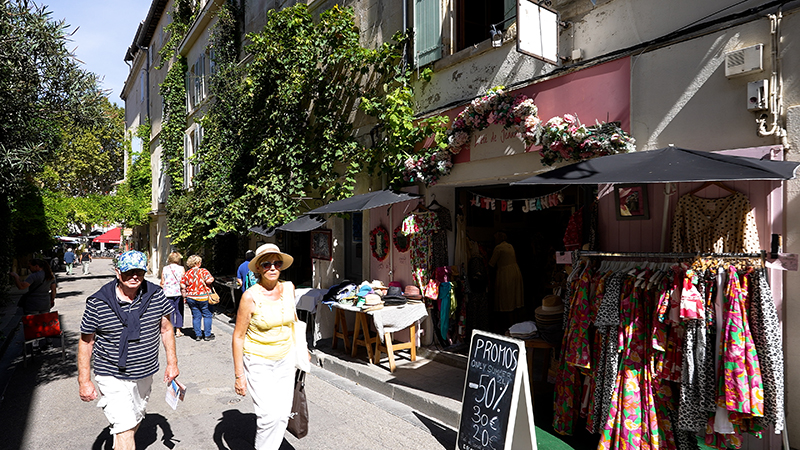
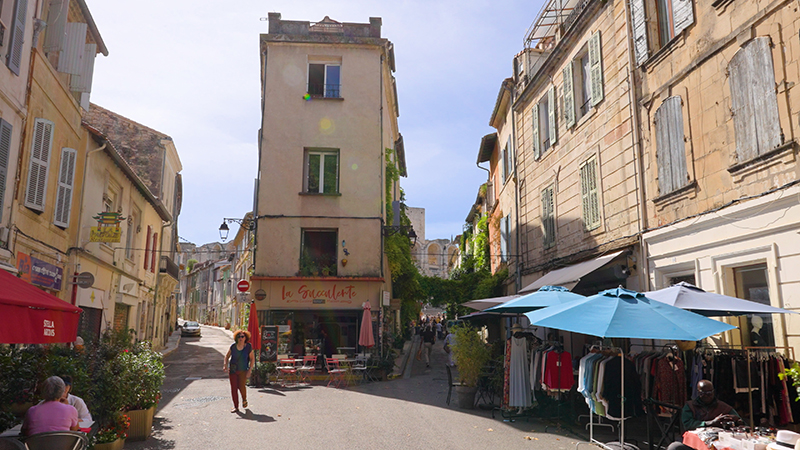
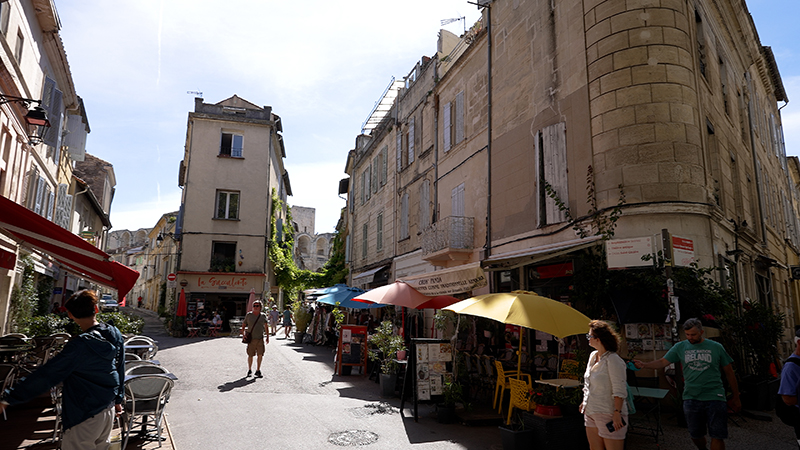
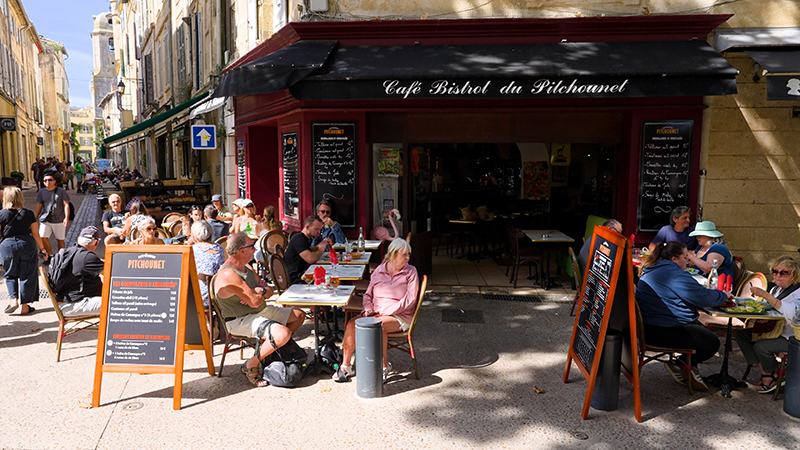
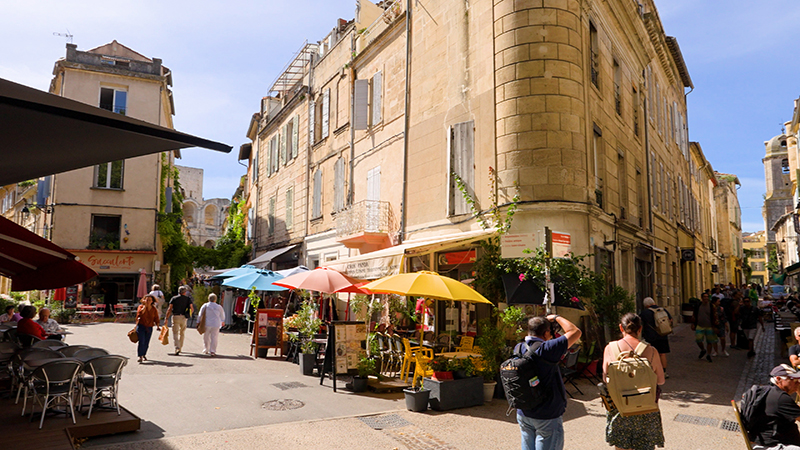
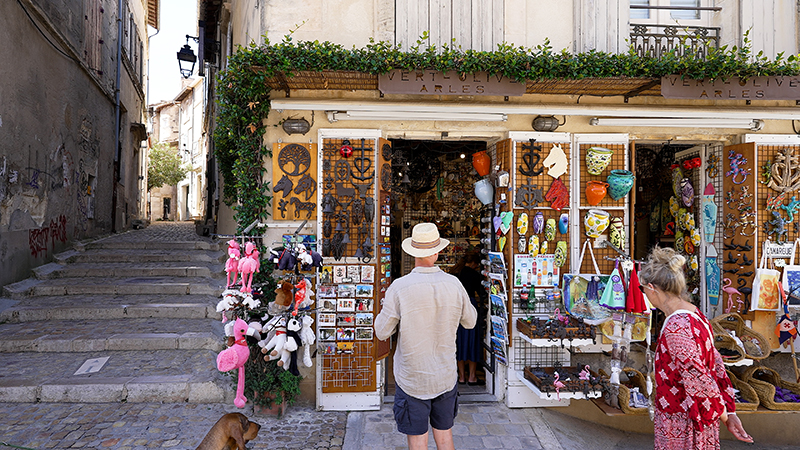
Rue Voltaire runs from the amphitheatre steps toward the Porte de la Cavalerie — many of the buildings draped in green vines, a classic detail of the Provençal townscape.
Place Voltaire
1:25:55
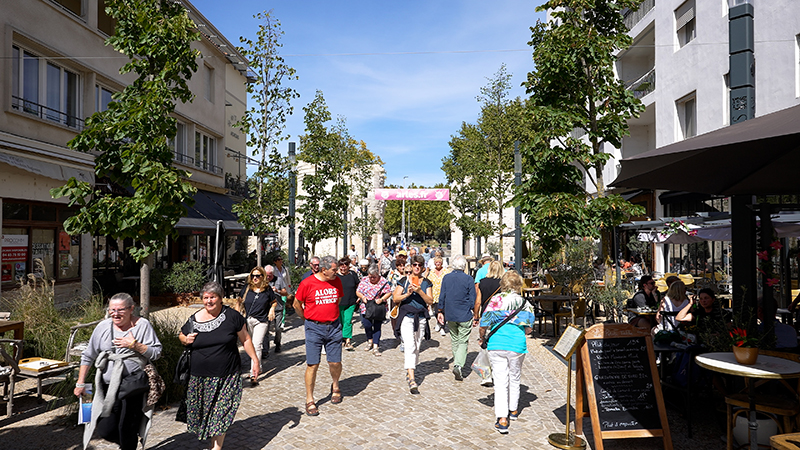
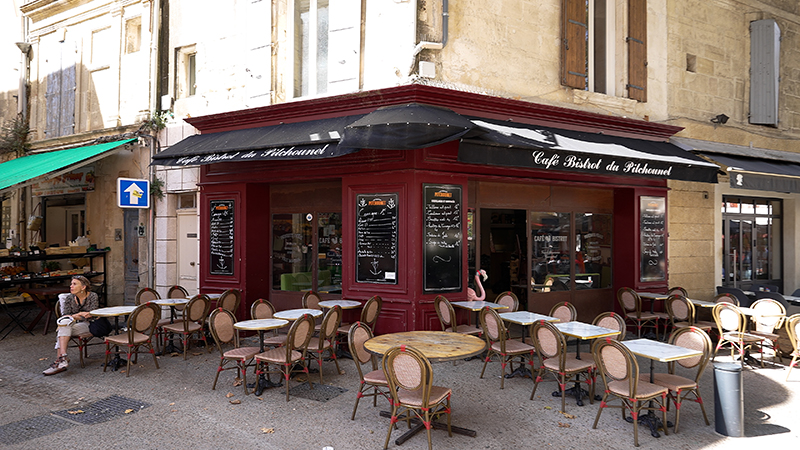
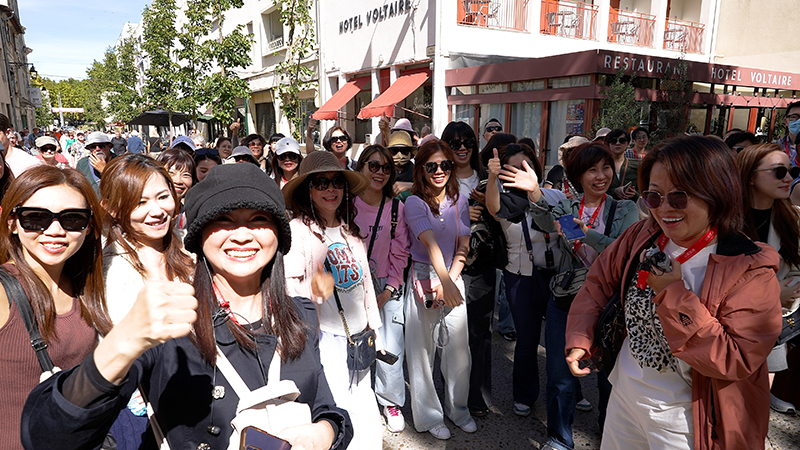
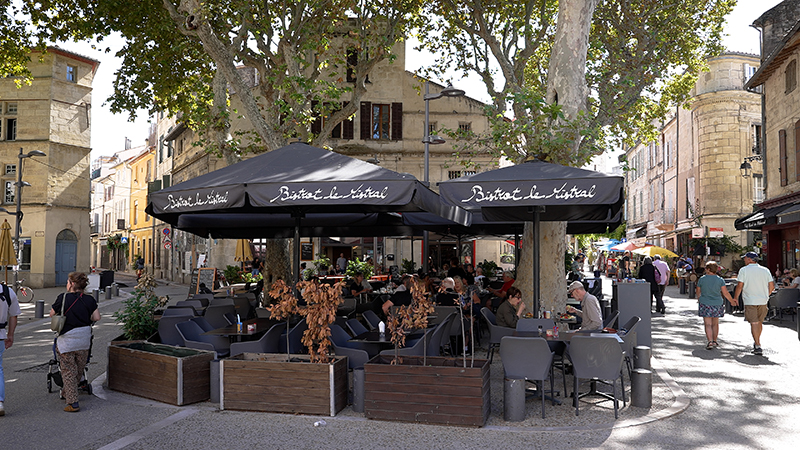
A lively pedestrian square at the heart of the neighborhood around the amphitheatre, lined with restaurants and cafes drawing both locals and visitors.
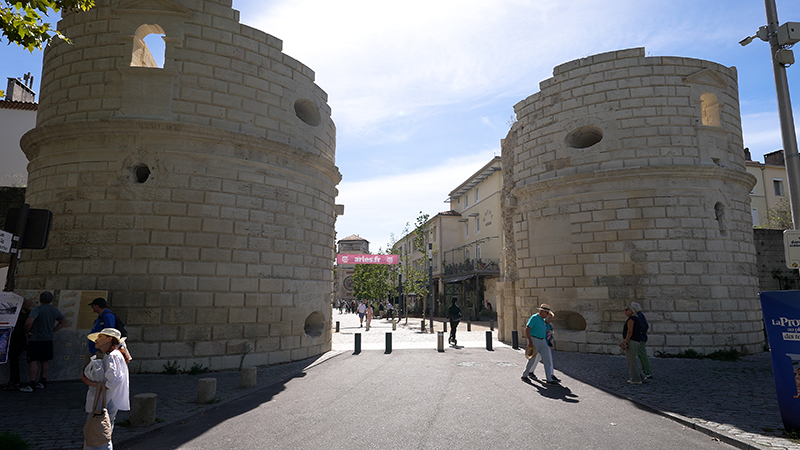
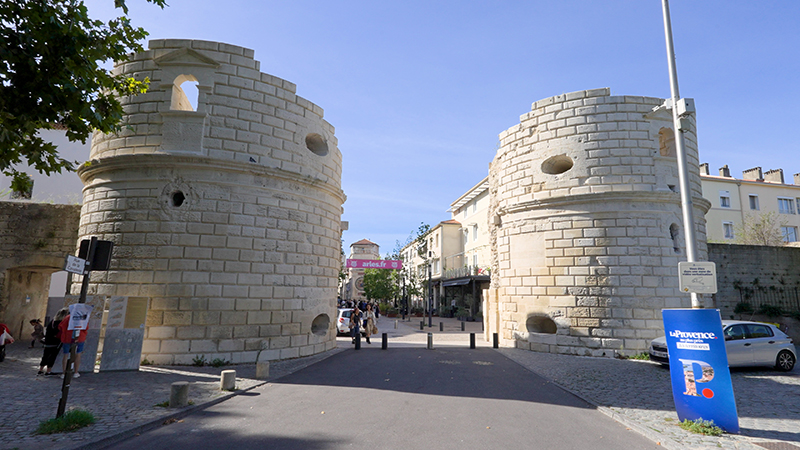
Porte de la Cavalerie
1:28:04
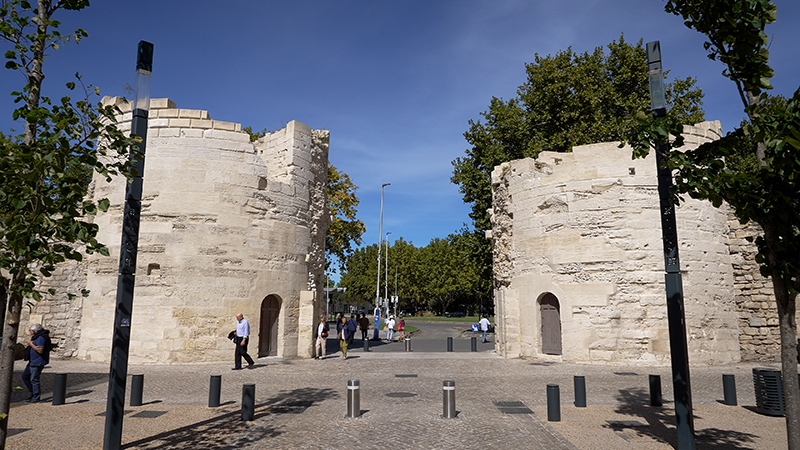
The medieval northern gate of the old town — its two round towers flanking where the original central gate once stood, damaged in the Revolution and again in 1877.
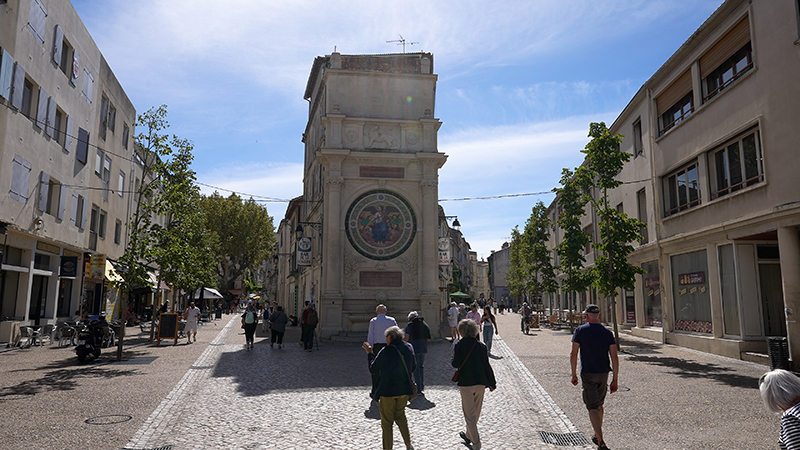
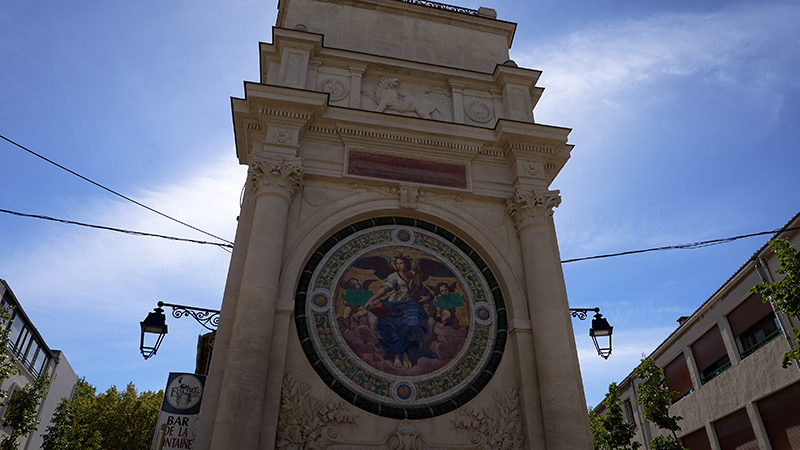
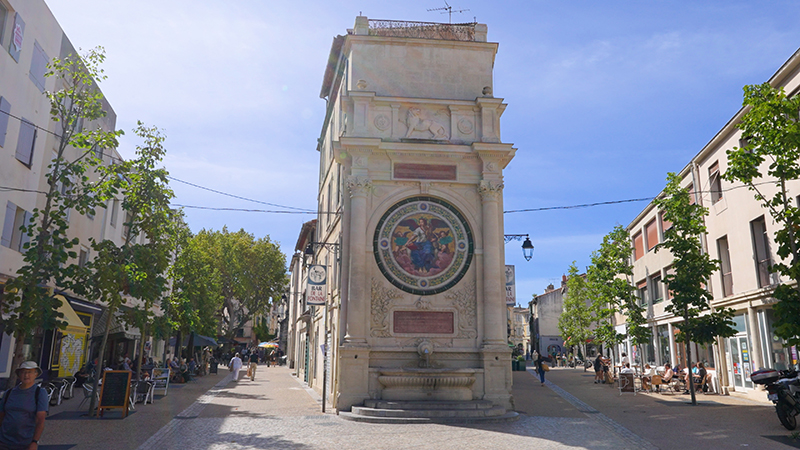
Rue Voltaire & Amedee Pichot Fountain
1:30:00
The Fontaine Amedee Pichot, built in 1887 to honor the Arles-born writer who became the first person to translate Lord Byron and Sir Walter Scott into French.
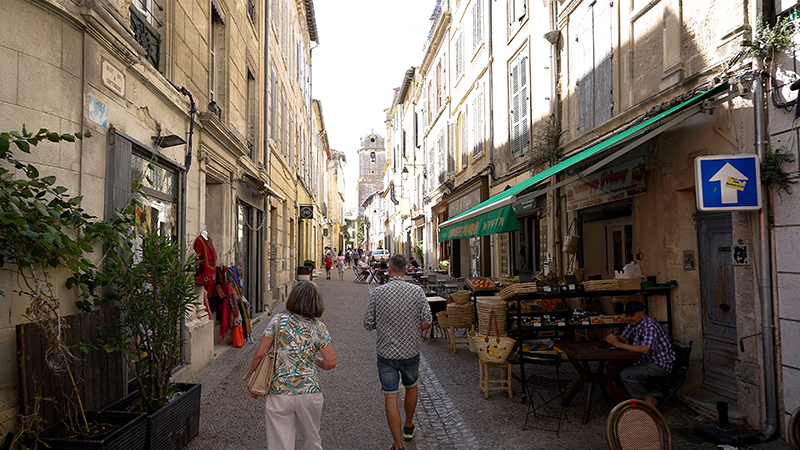
Rue du 4 Septembre
1:32:20
A charming narrow cobblestone street named for September 4, 1870 — the day the French Third Republic was proclaimed in Paris following France’s defeat in the Franco-Prussian War.
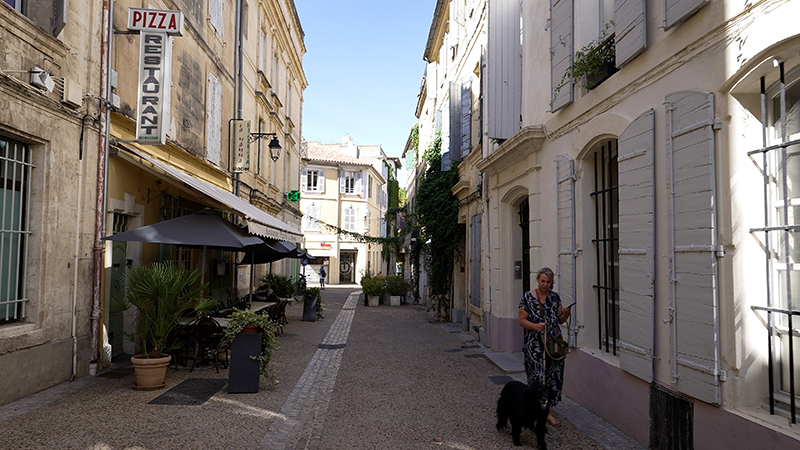
Rue de l'Amphitheatre
1:33:44
Walking down Rue de l’Amphitheatre, the amphitheatre filling the end of the street perfectly — a 2,000-year-old monument completely integrated into the fabric of the living city.
Place des Arenes (return)
1:34:44
Back at the green umbrellas and steps of the amphitheatre — now heading up and around the opposite side of the building.
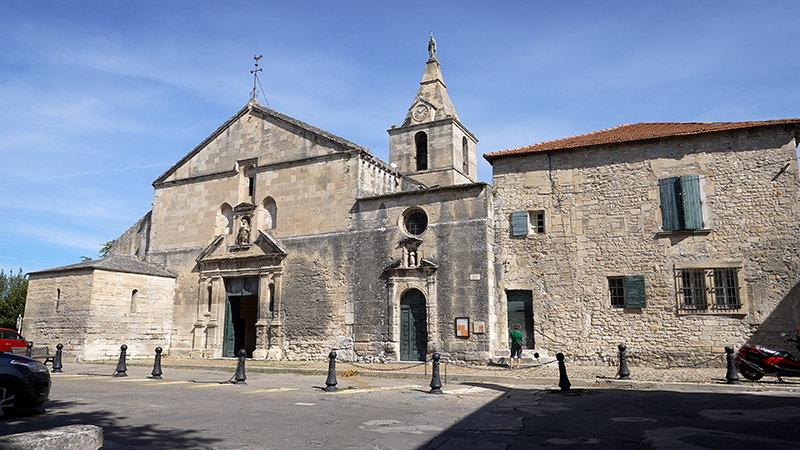
Notre-Dame-de-la-Major
1:37:58
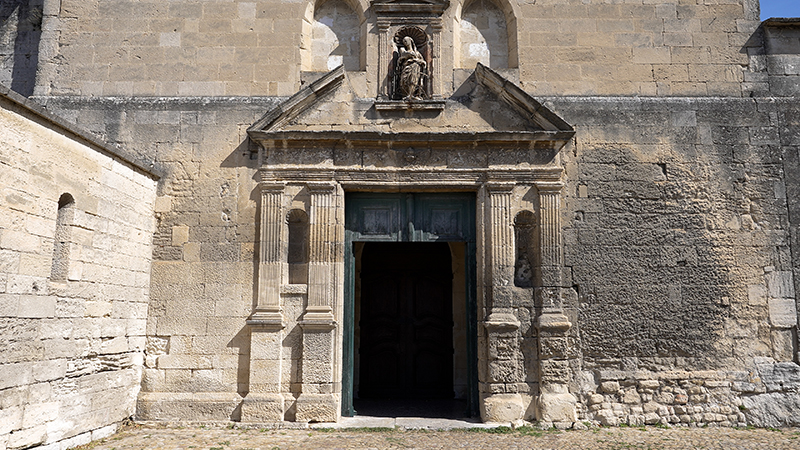
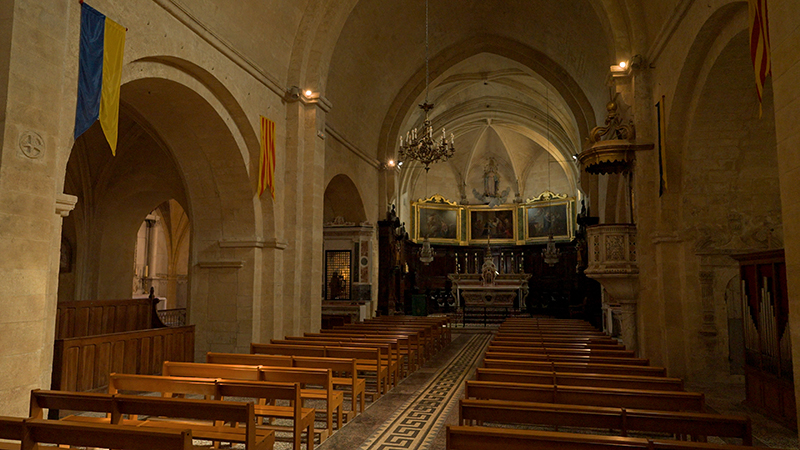
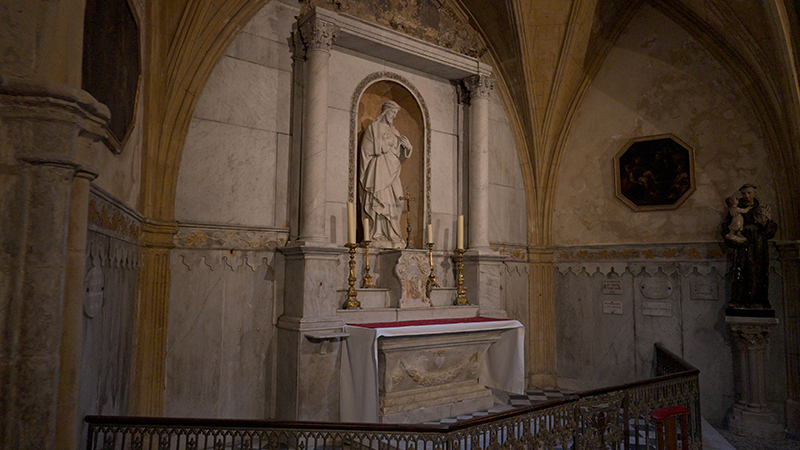
Notre-Dame-de-la-Major perches on the highest point of the old town, rebuilt in the 12th century on the site of a Roman temple — simple inside, with Provençal flags and stone walls.
Panoramic Viewpoint
1:41:55
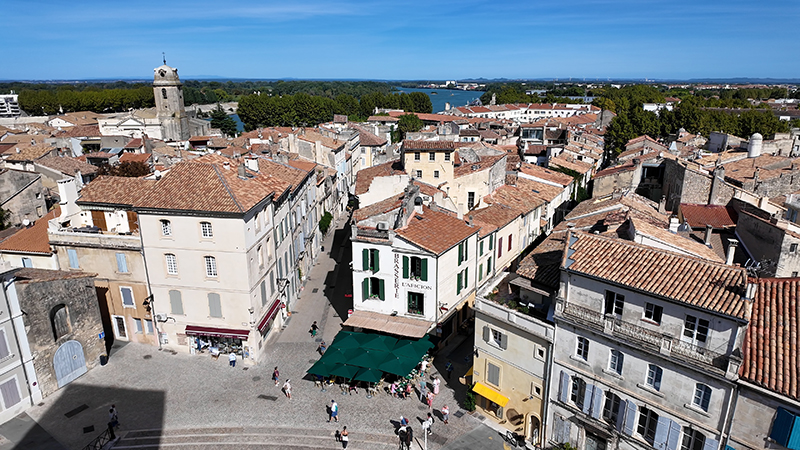
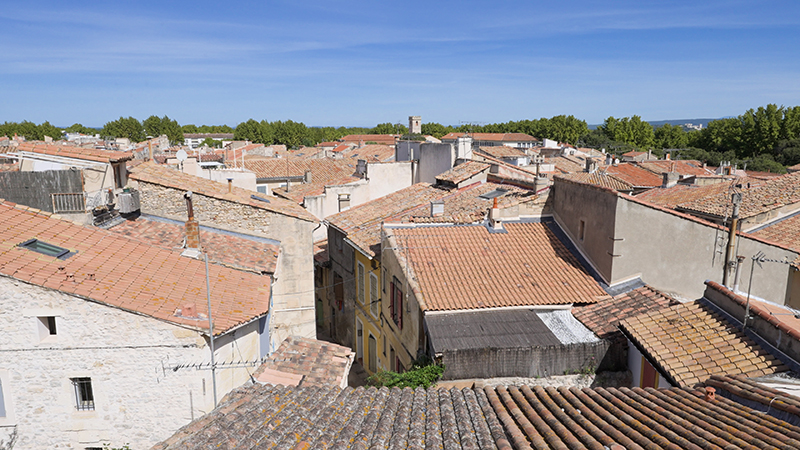
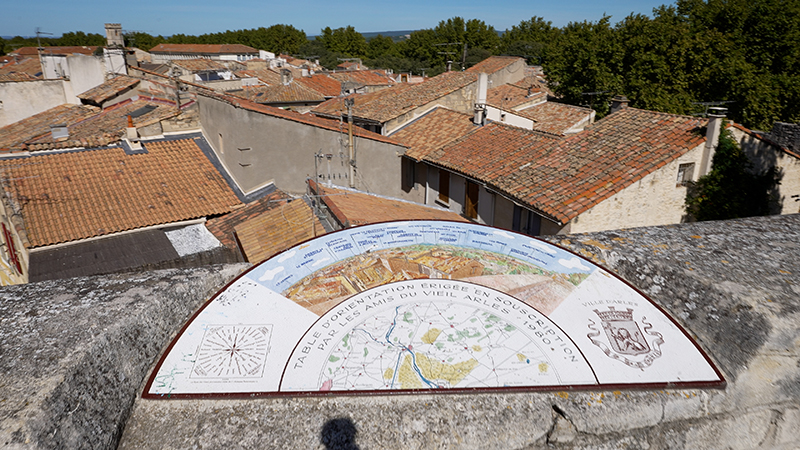
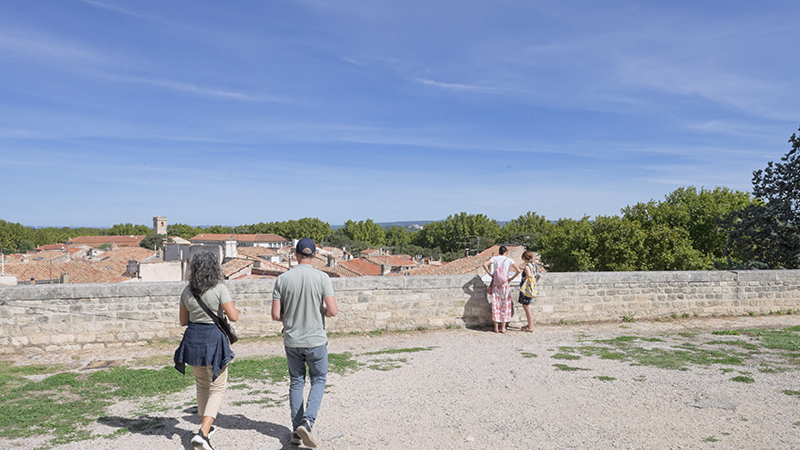
A sweeping view over the terracotta rooftops of Arles — the quality of Provençal light and warm stone that made this city one of Van Gogh’s greatest sources of inspiration.
Walking Around the Amphitheater
1:44:28
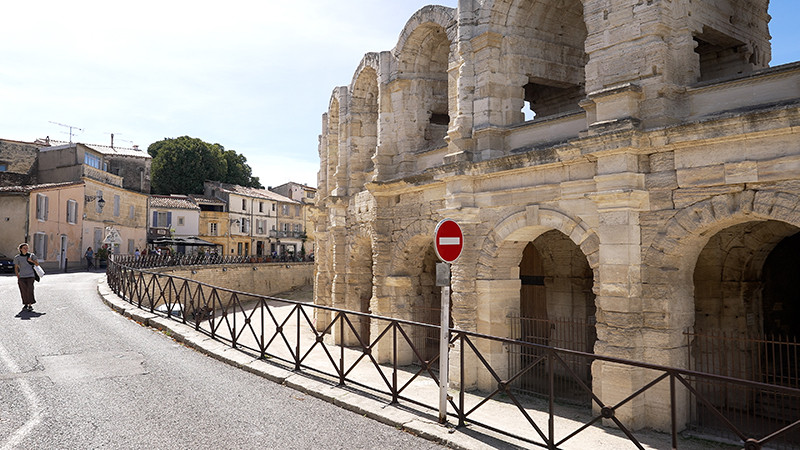
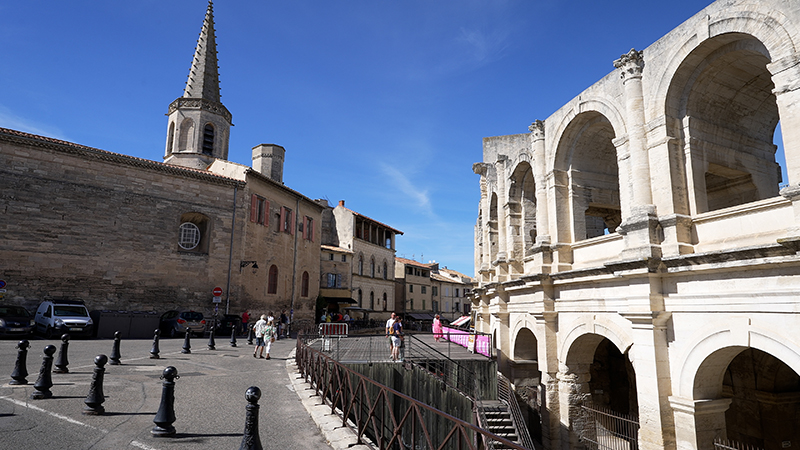
Walking the curved exterior of the amphitheatre on the opposite side from the entrance — the scale of the two-tiered Roman wall even more impressive at close range.
Place des Arenes (return 2)
1:48:29
A second return to the Place des Arenes — the afternoon light now catching the Roman stonework differently, casting longer shadows across the steps.
Rue de l'Amphitheatre (return)
1:49:53
Heading back down Rue de l’Amphitheatre toward the Rhone River, past the ivy-covered buildings and the morning glory flowers climbing the facades.
Saint-Julien Church
1:51:22
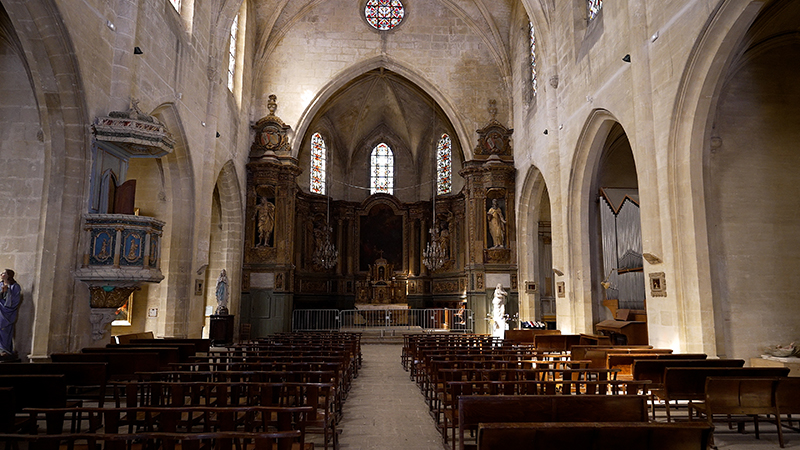
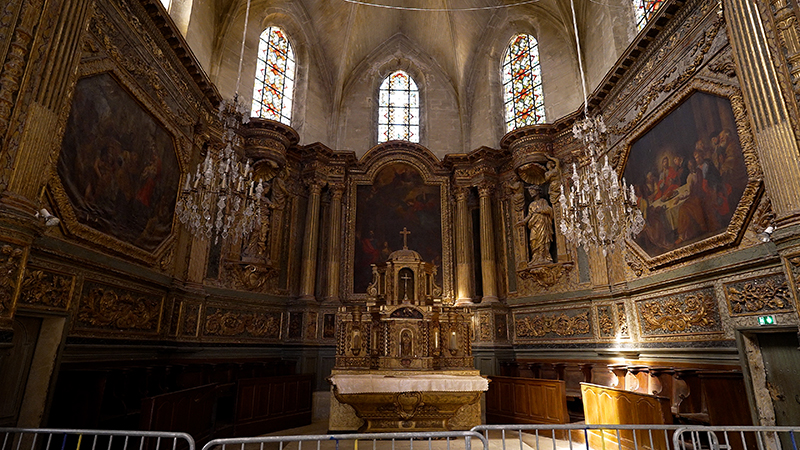
The Eglise Saint-Julien d’Arles was first consecrated in the 12th century, rebuilt in 1662 in late Gothic style — damaged in the 1944 Allied bombings and rebuilt in the 1950s, it now hosts concerts.
Rhone River
1:55:51
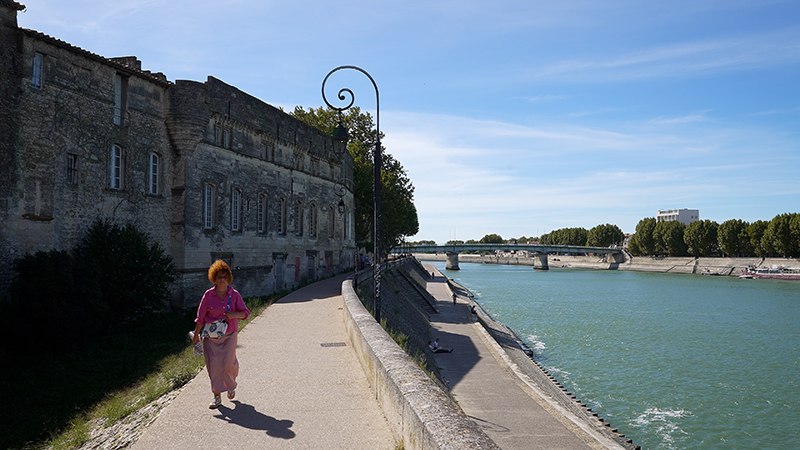
The Rhone River made Arles one of the great trading cities of the ancient world — its docks among the busiest in the western Mediterranean, shipping wine, olive oil, and grain across the Roman Empire.
Baths of Constantine
1:58:59
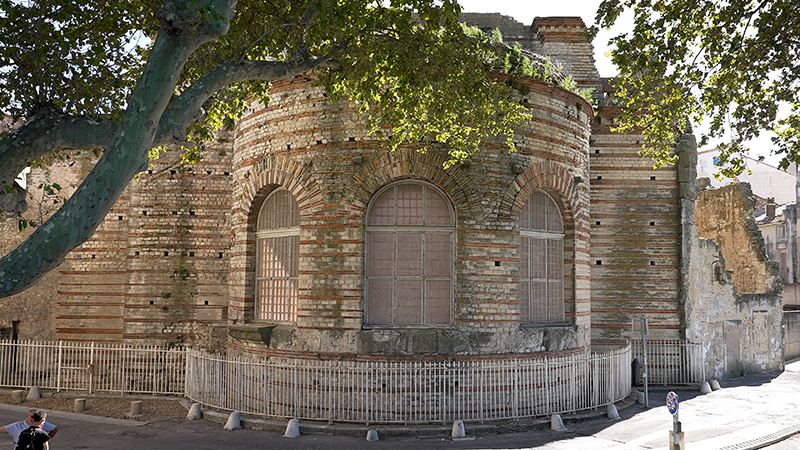
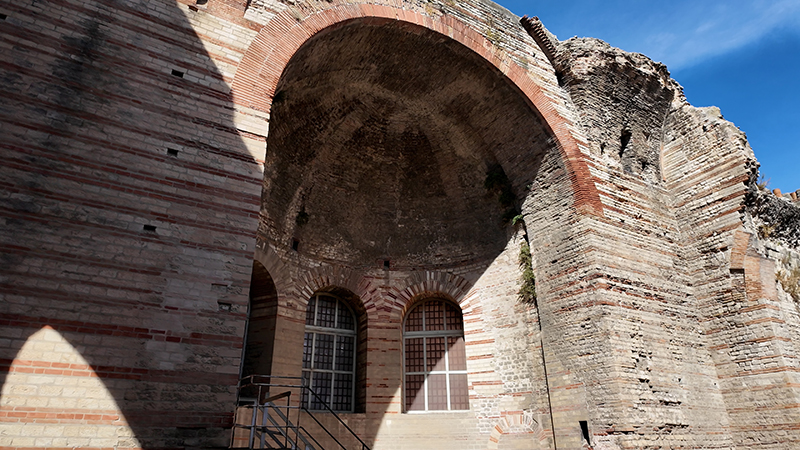
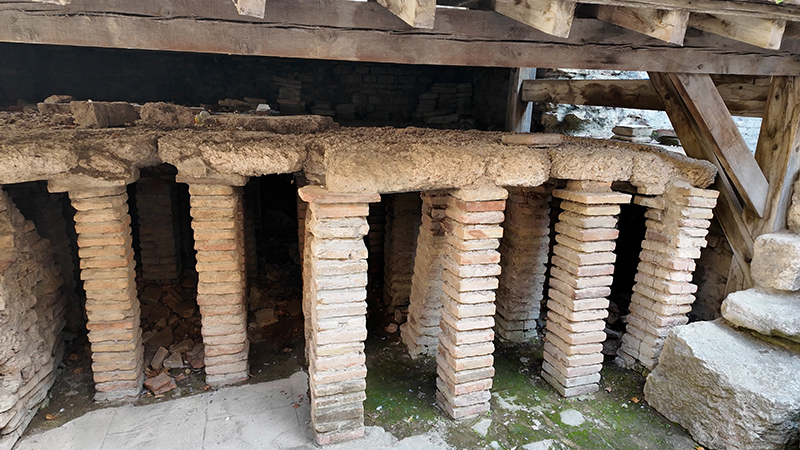
The Thermes de Constantin are the best-preserved Roman baths in France, built in the 4th century — the underfloor hypocaust heating system still clearly visible beneath the stone slabs.
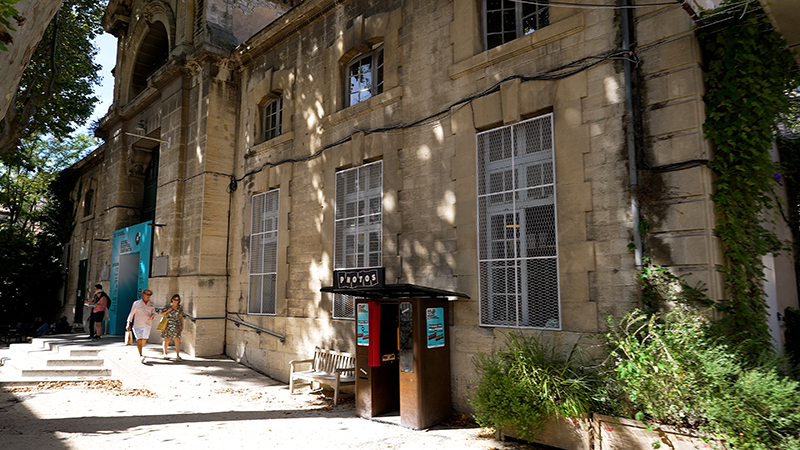
Eglise des Freres Precheurs
2:05:56
This 14th-century Dominican Gothic church now hosts the Rencontres d’Arles — the city’s internationally renowned annual photography festival, one of the most prestigious in the world.
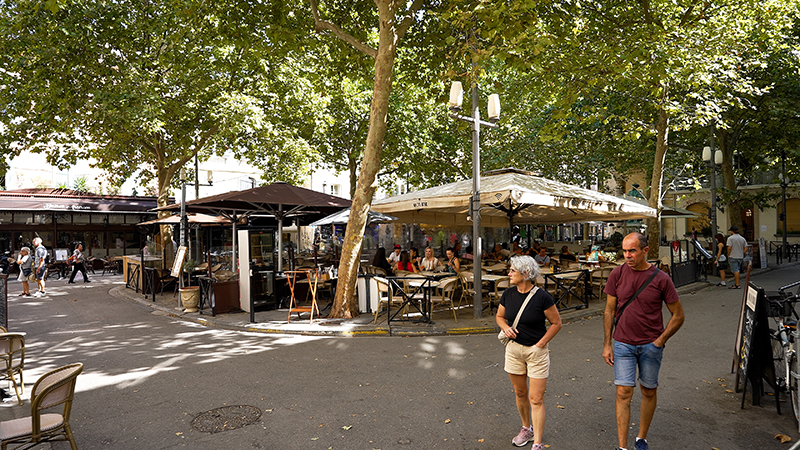
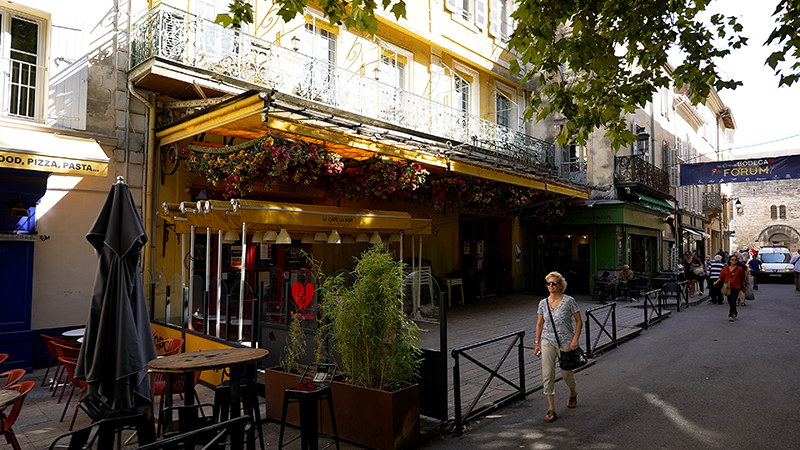
Place du Forum
2:08:08
The Place du Forum is the liveliest square in Arles, shaded by plane trees and surrounded by cafe terraces — Van Gogh painted this exact square in 1888 in his famous Cafe Terrace at Night.
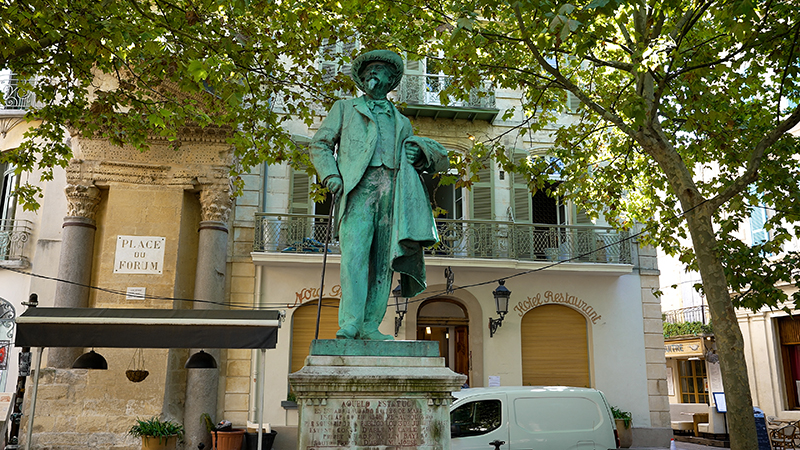
Frederic Mistral Statue
2:10:10
The statue of Frederic Mistral — the Provençal poet who won the Nobel Prize in Literature in 1904 and used the prize money to found the Museon Arlaten, Arles’ ethnographic museum.
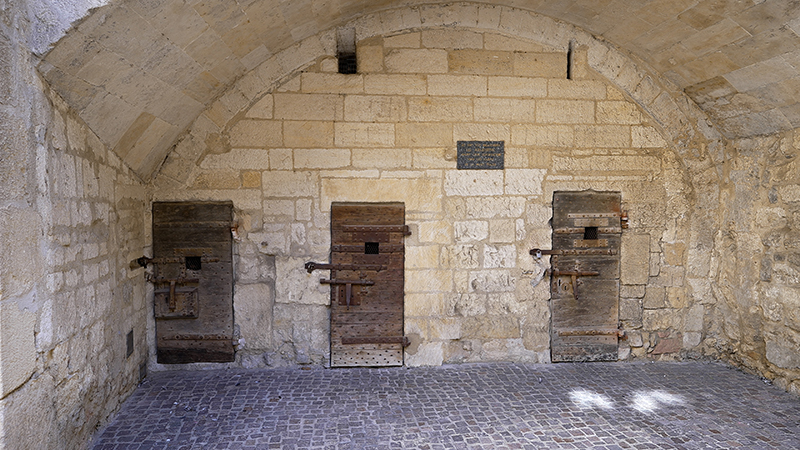
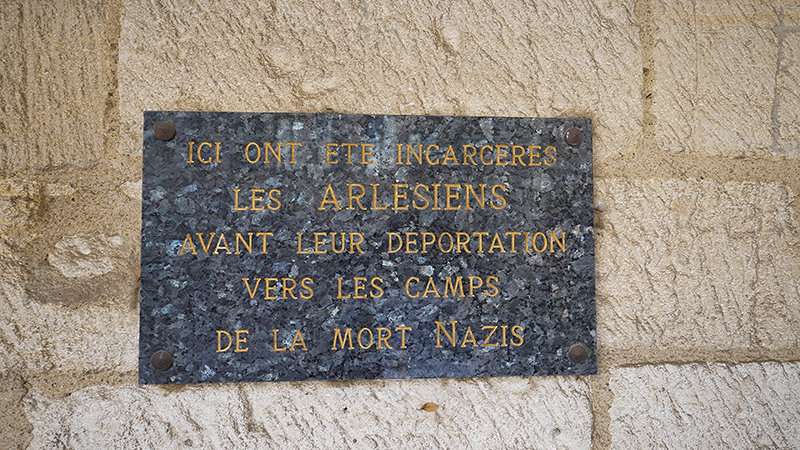
Plan de la Cour (Gladiator Cells)
2:11:21
The Plan de la Cour is a small courtyard that has been the center of civic power in Arles since the Middle Ages — the heavy wooden doors with iron bolts are the old prison cells of the 13th-century Palais des Podestats.
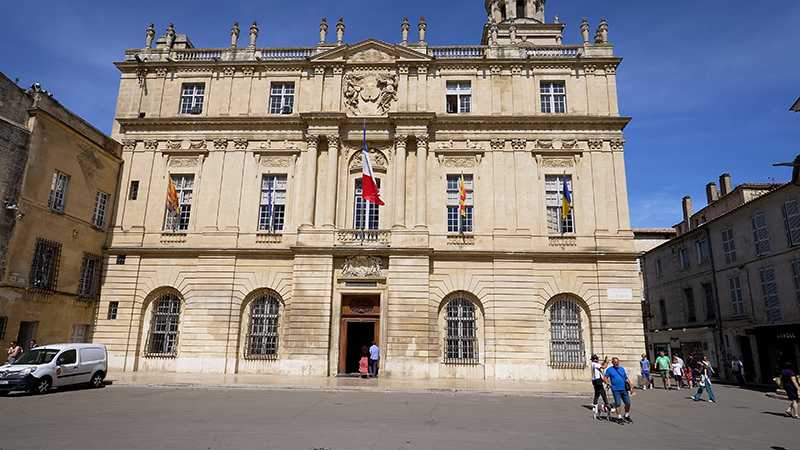
Hotel de Ville (Town Hall)
2:13:35
Walking through the Hotel de Ville and out the other side into the Place de la Republique — back to the grand 17th-century square where the walk through the historic core began.
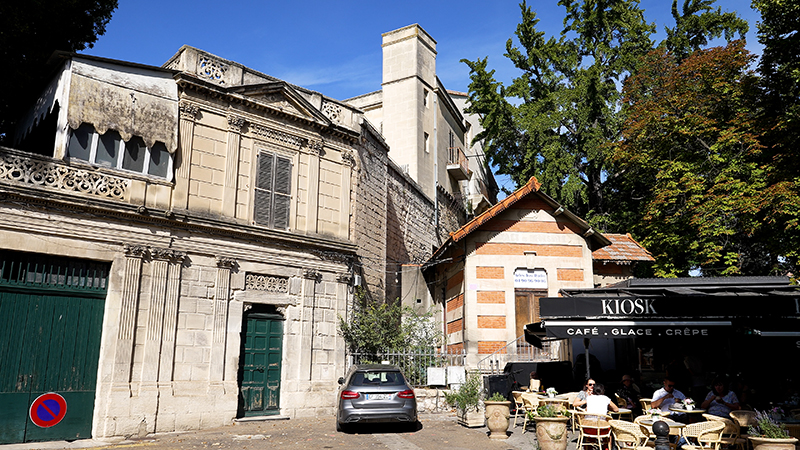
Boulevard des Lices
2:16:29
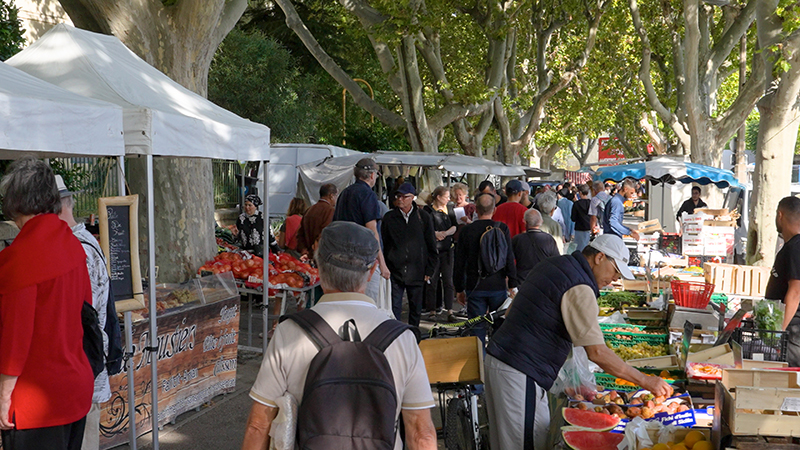
Boulevard des Lices is where Arles’ famous Wednesday and Saturday markets are held — one of the largest open-air markets in Provence, stretching the full length of this wide tree-lined boulevard.
Brocante d'Arles (Flea Market)
2:17:48
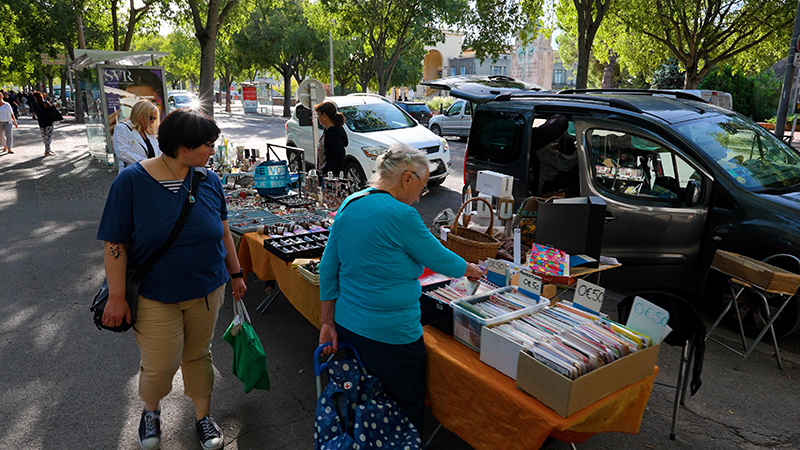
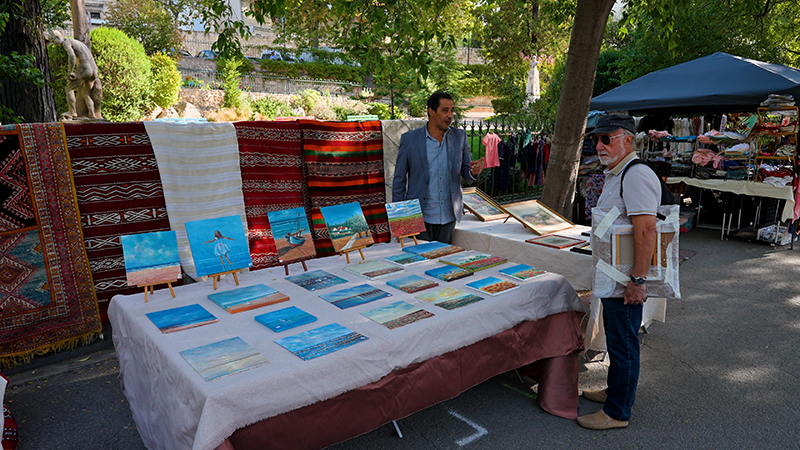
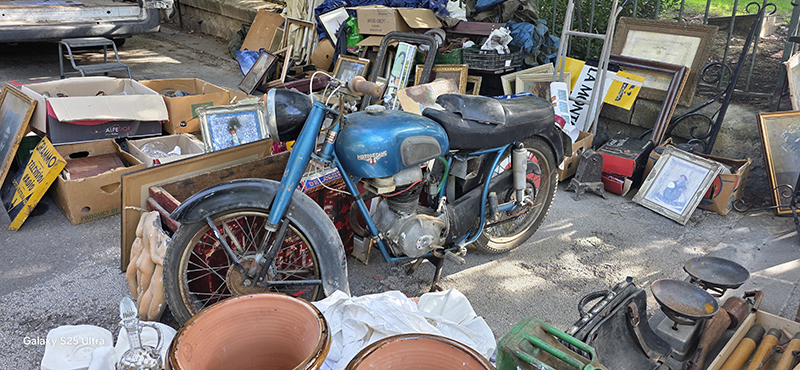
The brocante — flea market — opens the boulevard market with second-hand goods, collectibles, vintage postcards, and antiques spread out along the first stretch of the walk.
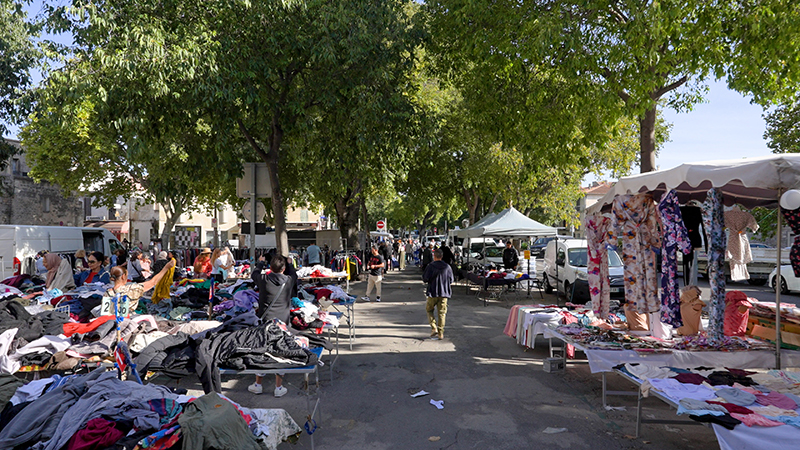
Marche Vetements (Clothing Market)
2:22:52
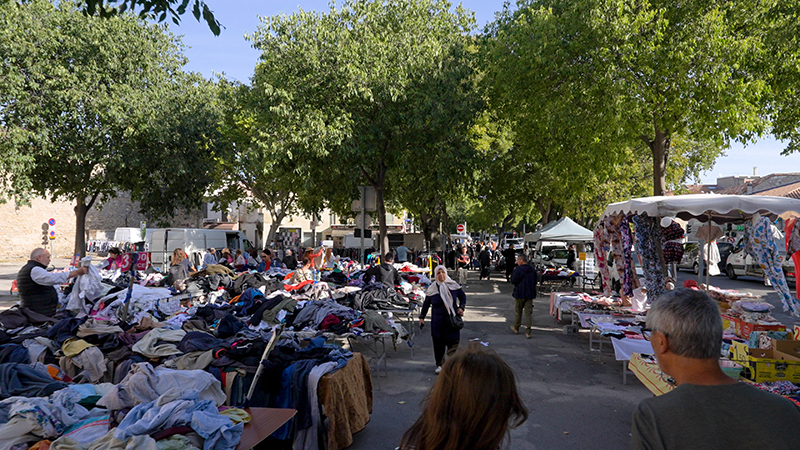
Crossing the street into the clothing and housewares section — racks of clothes, Provençal linens, and household goods at reasonable prices, primarily serving the local community.
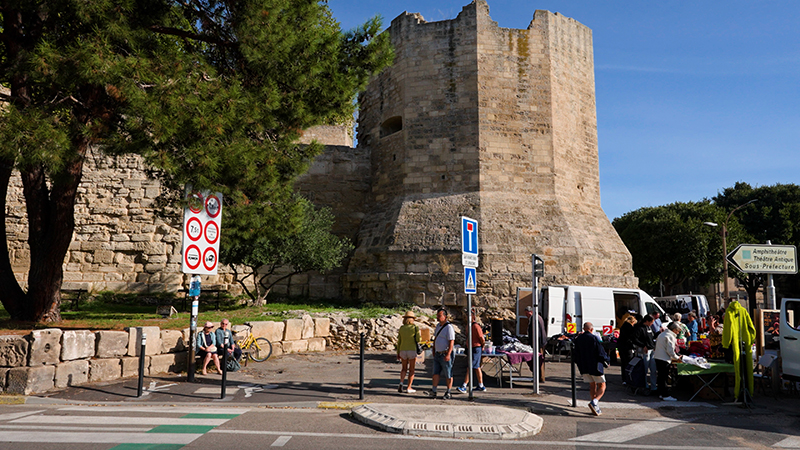
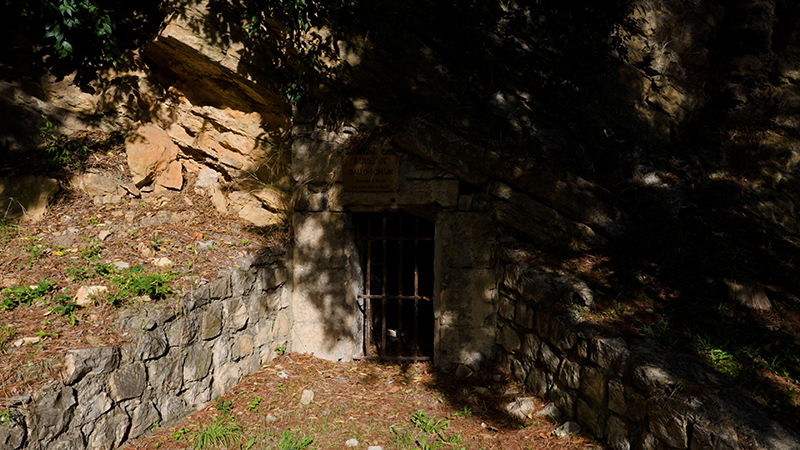
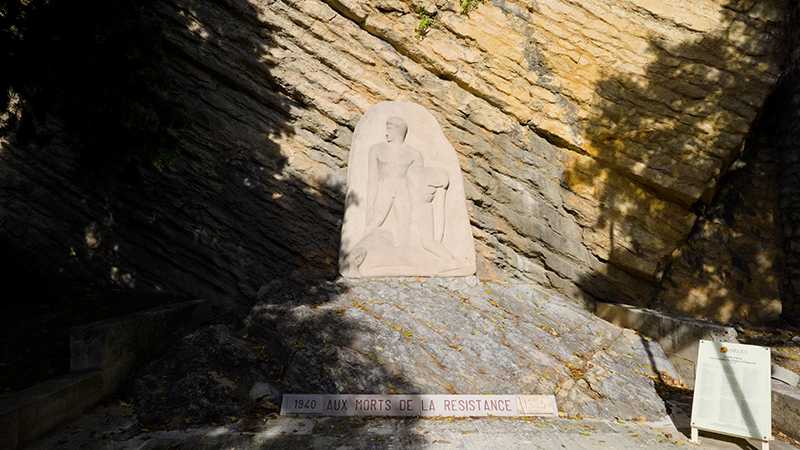
Ancient City Ramparts
2:24:00
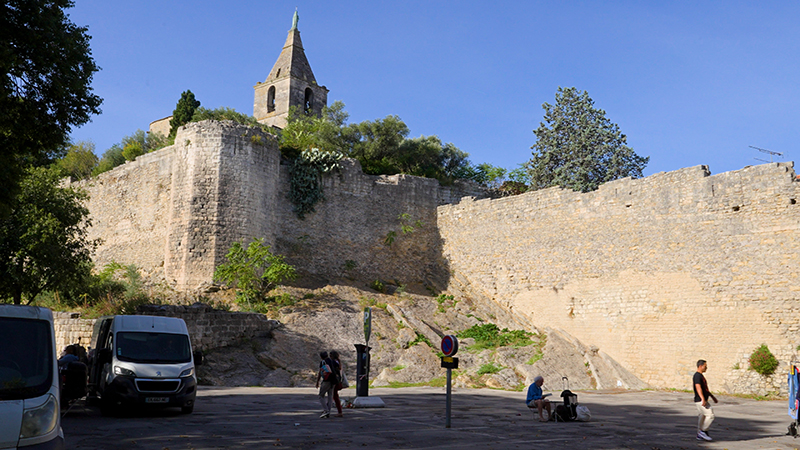
The rampart walls along the left side of the market were built and rebuilt from the late Roman period through the Middle Ages — a stone cave set into the wall marks the route of the Gallo-Roman aqueduct.
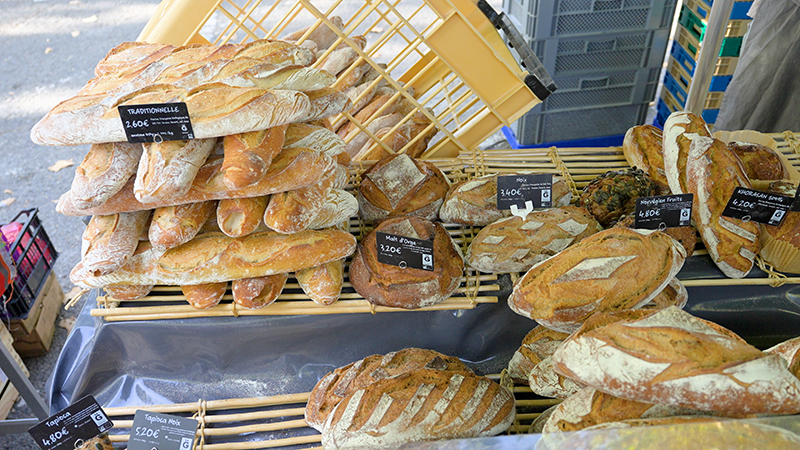
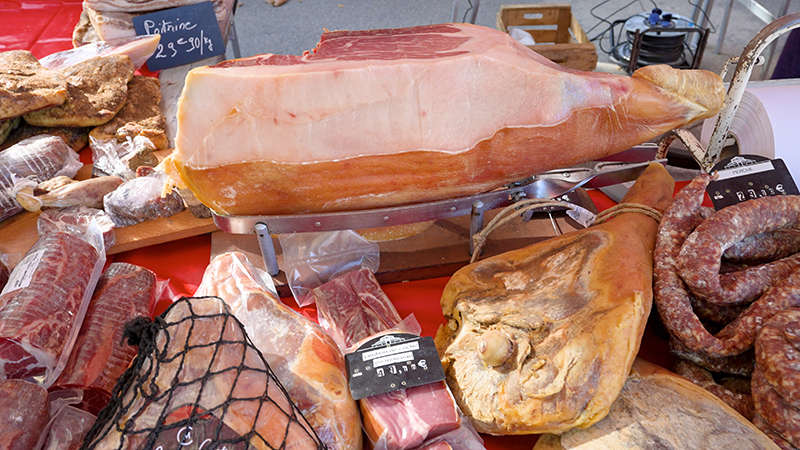
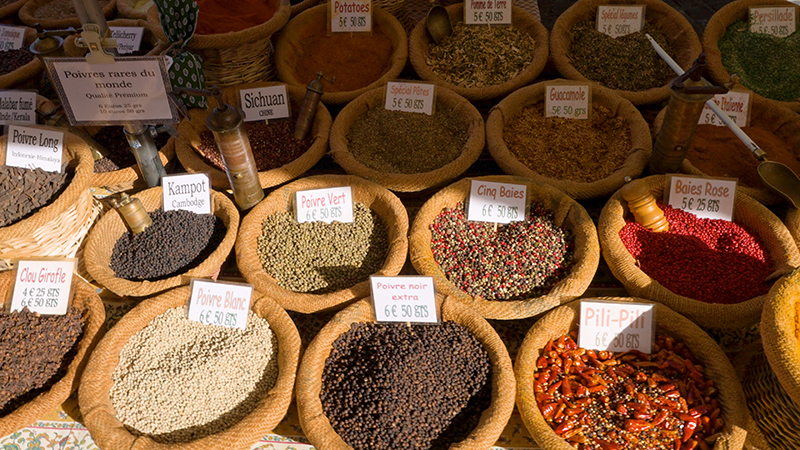
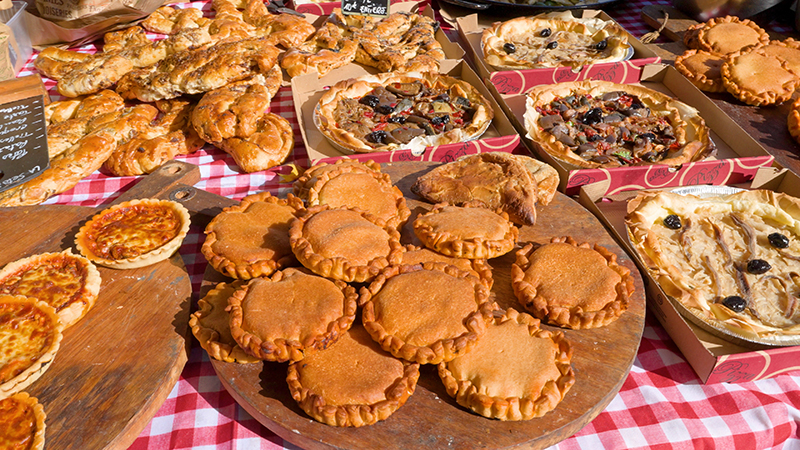
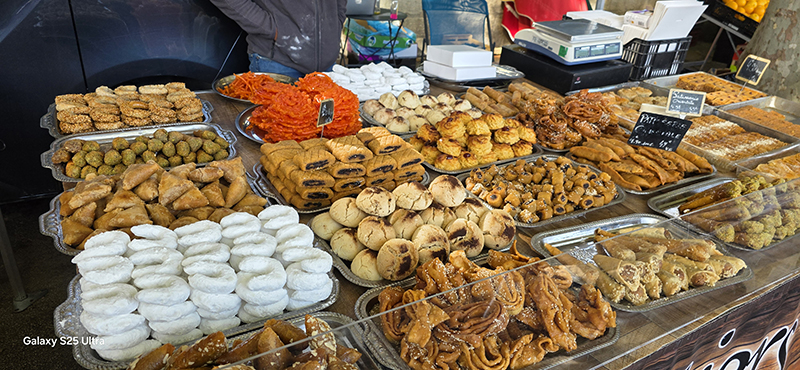
Marche Alimentation (Food Market)
2:32:03
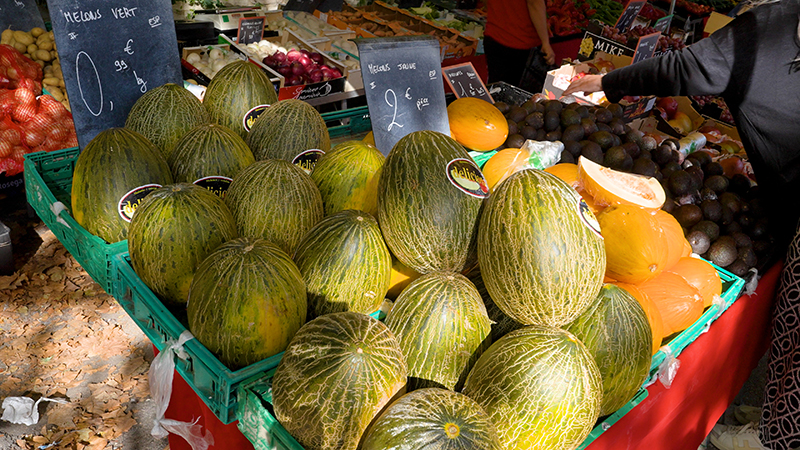
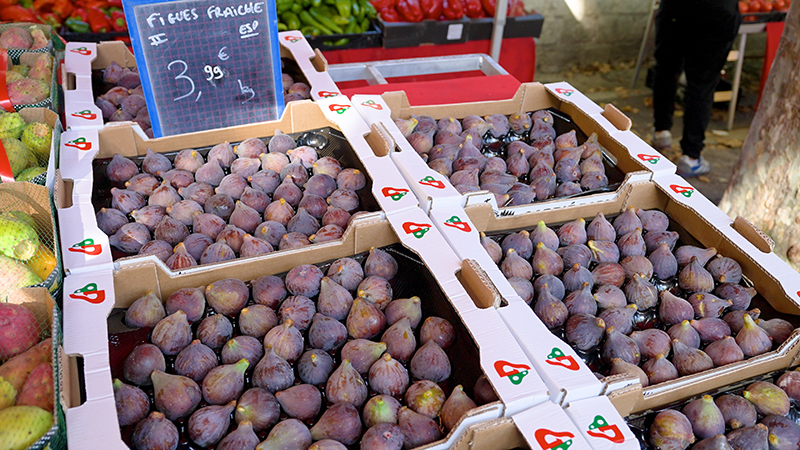
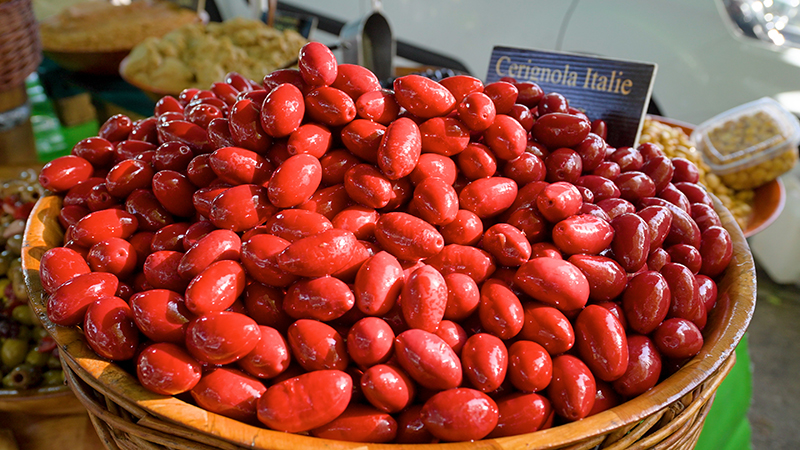
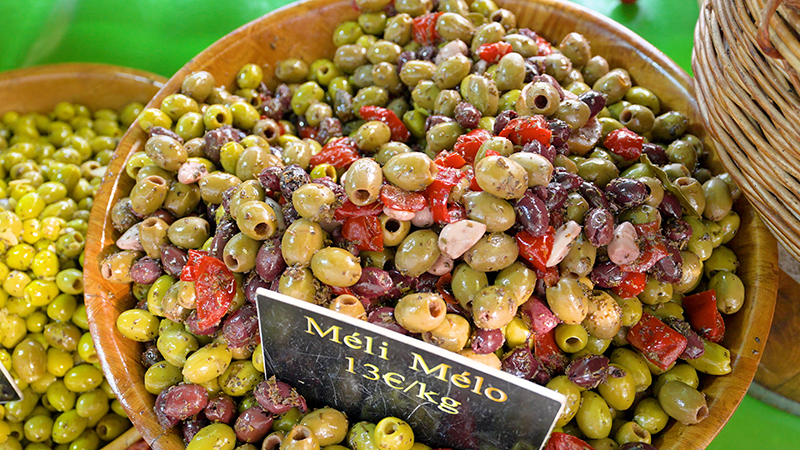
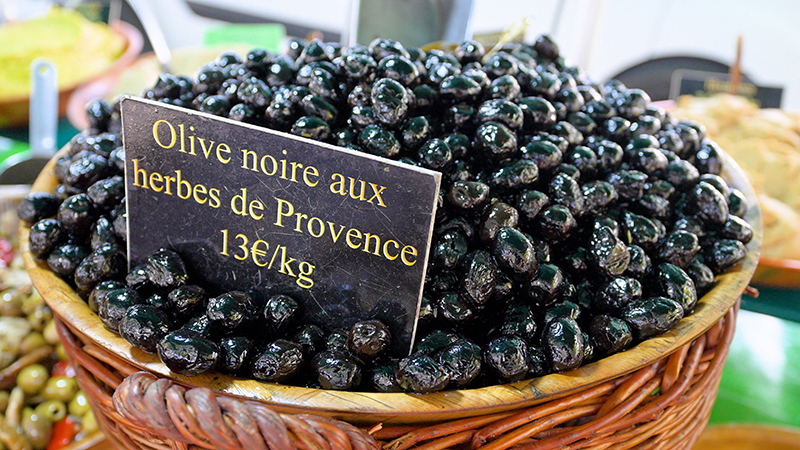
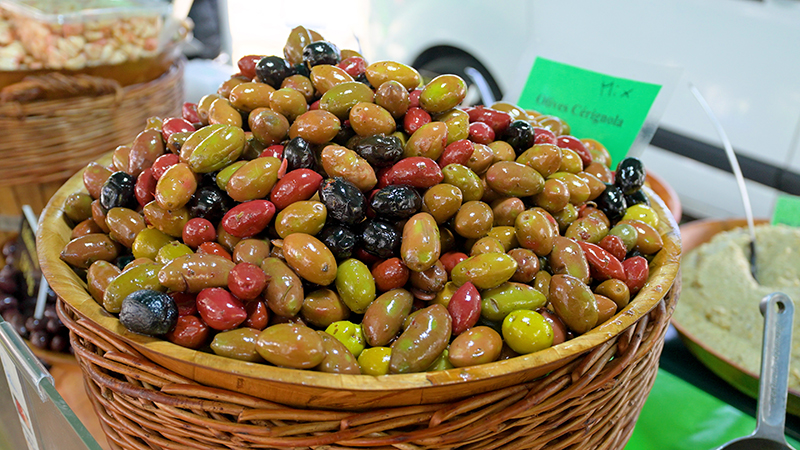
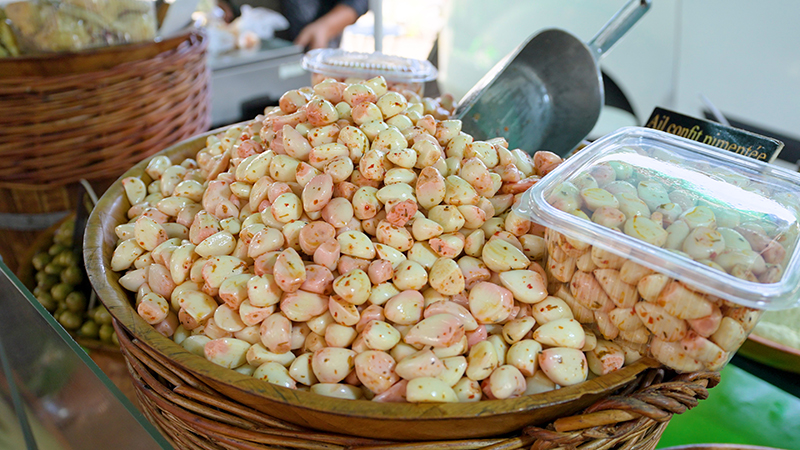
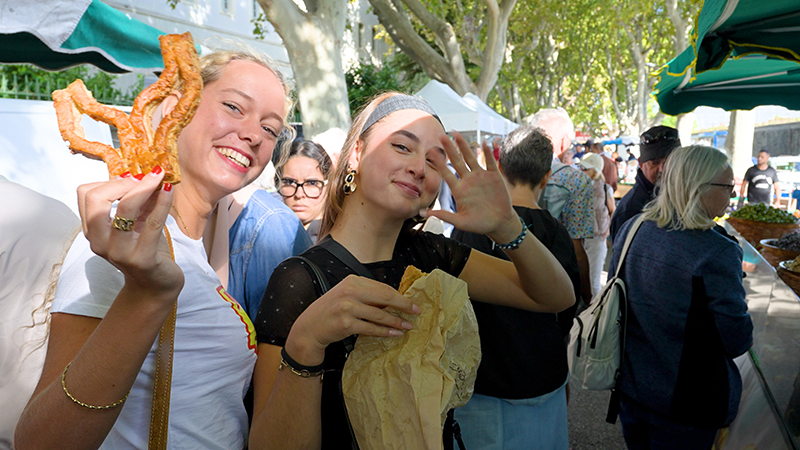
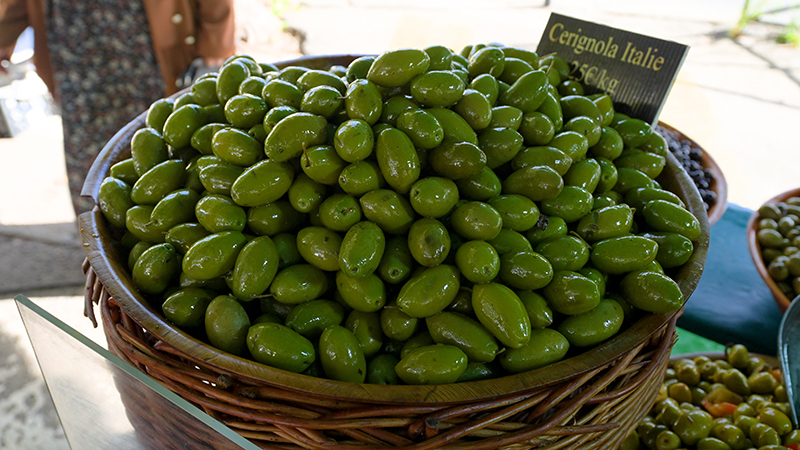
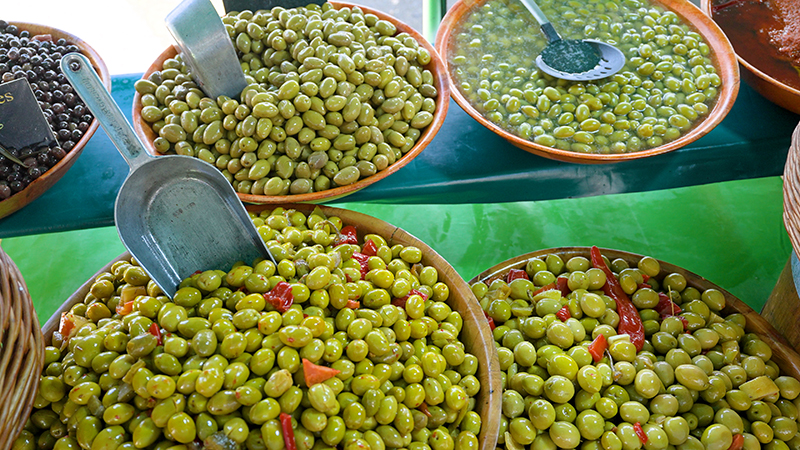
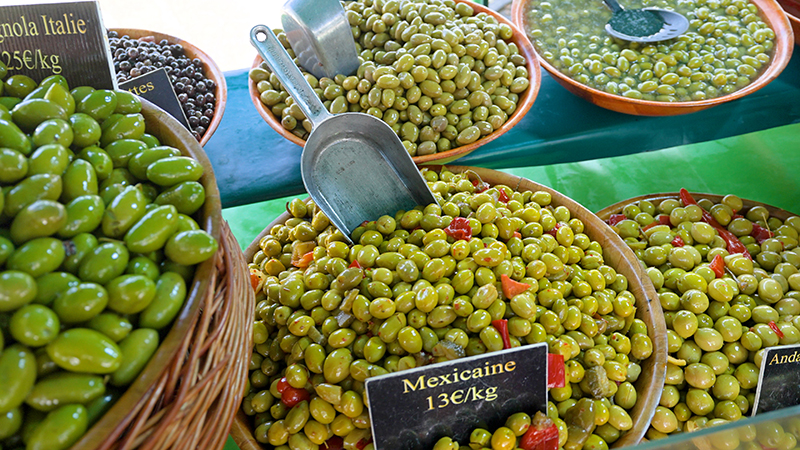
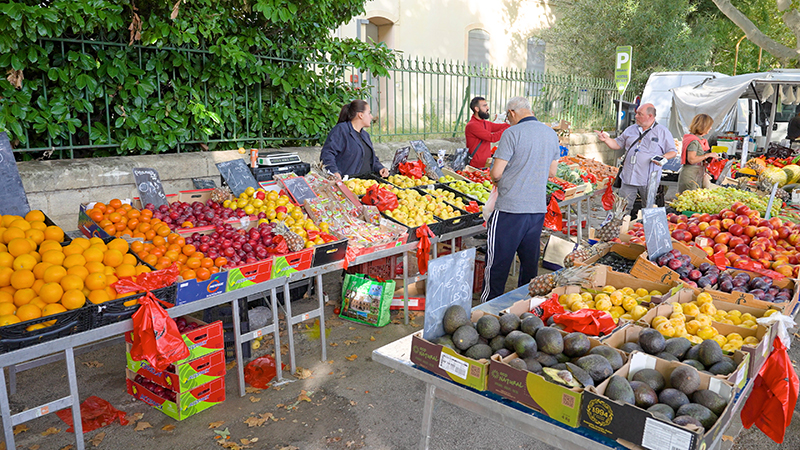
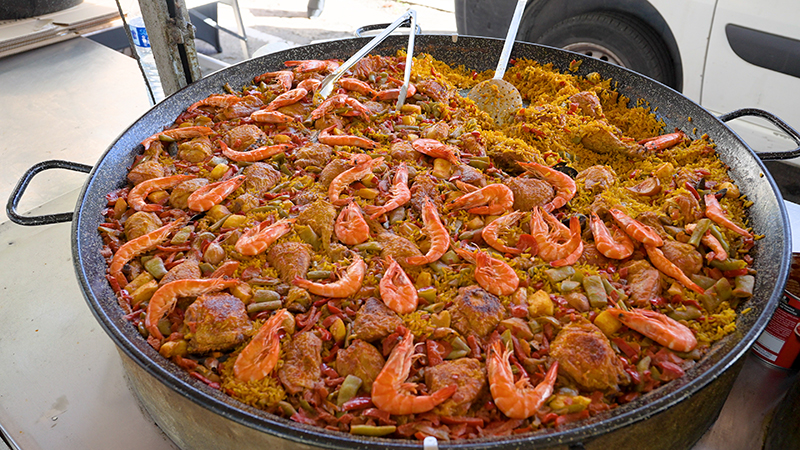
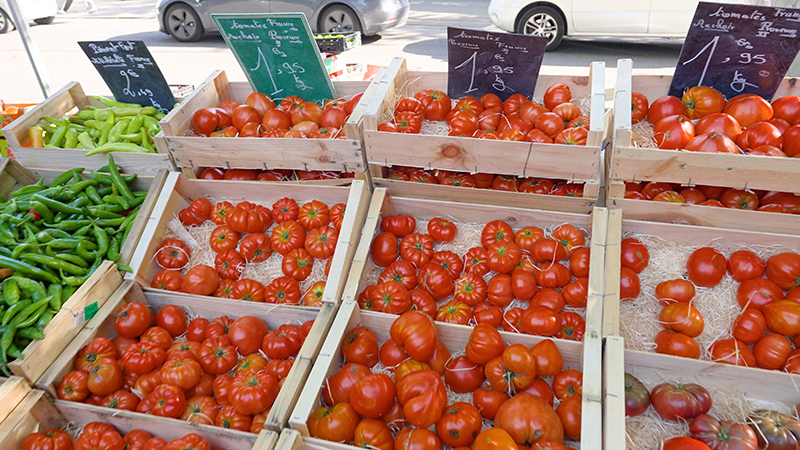
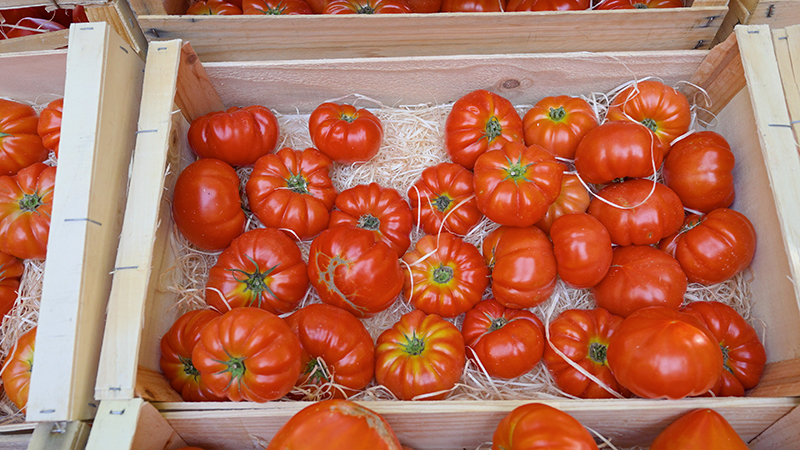
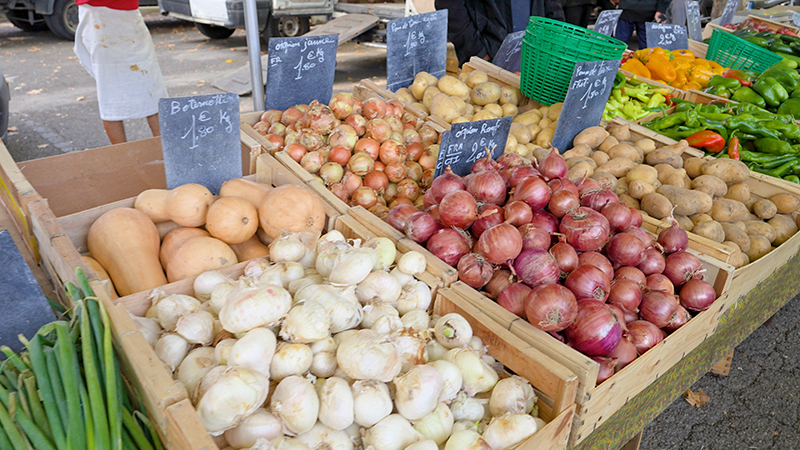
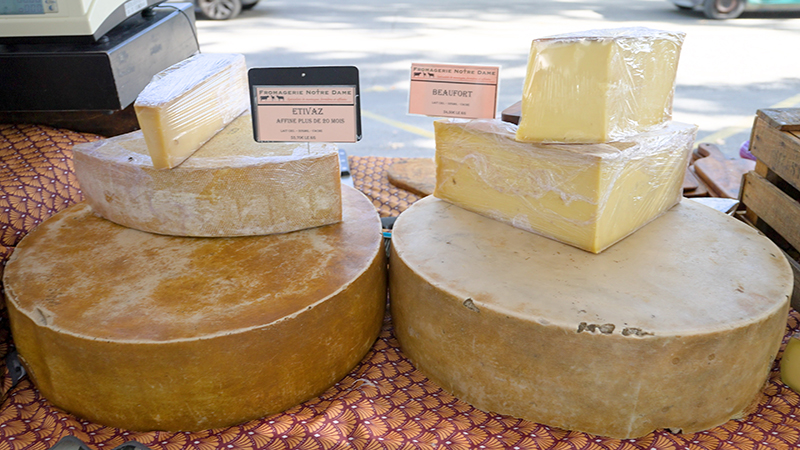
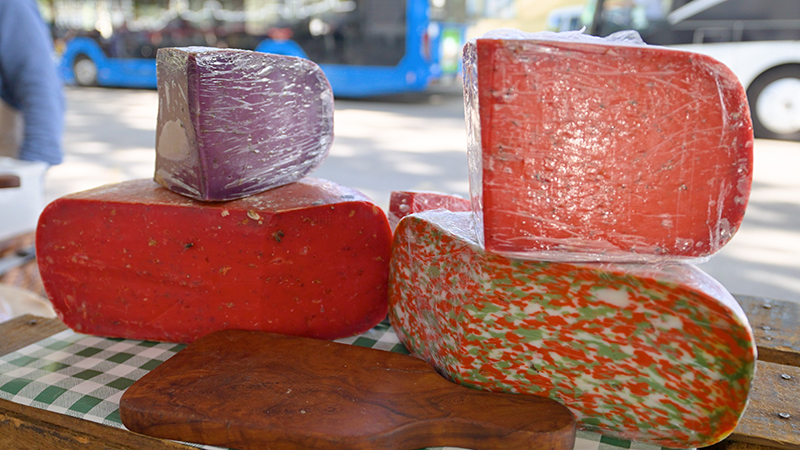
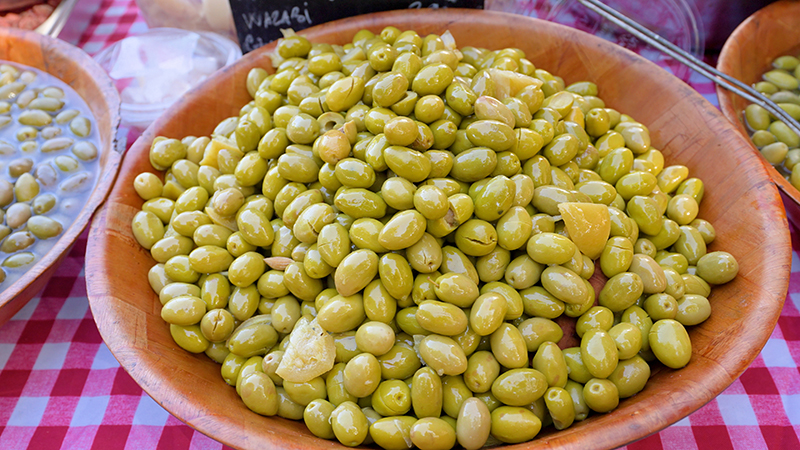
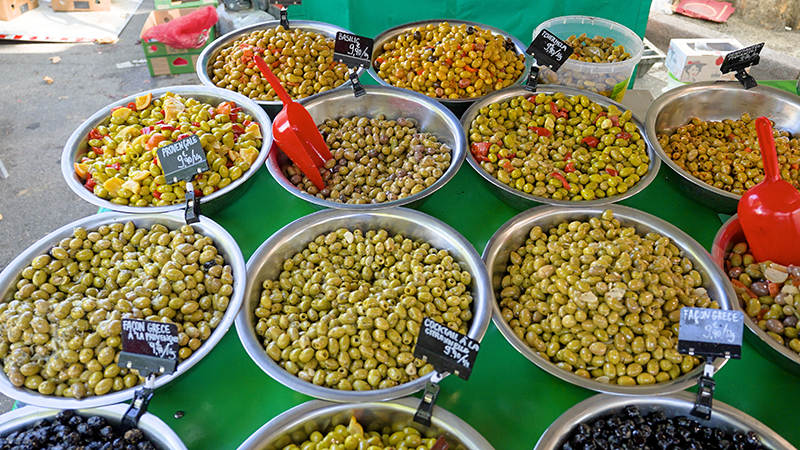
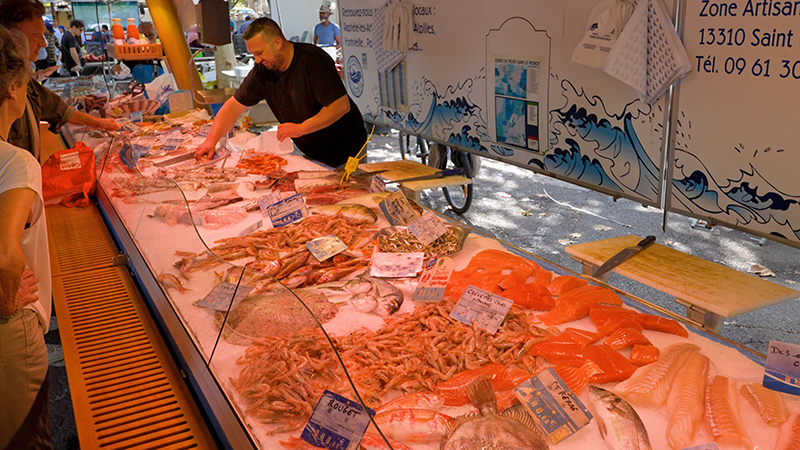
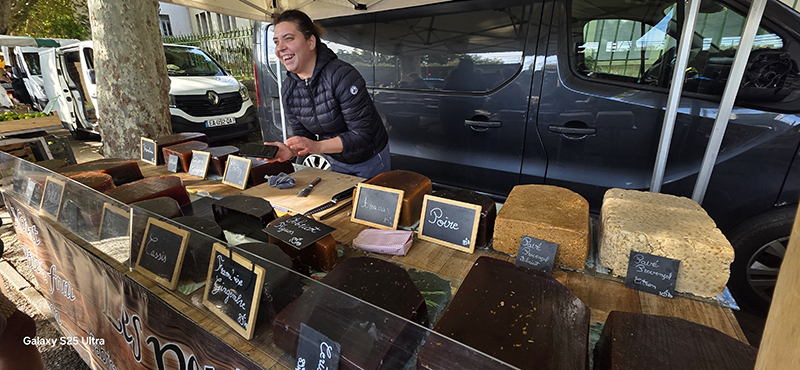
The food market is the highlight of the entire boulevard — Charentais melons, Cerignola olives, fresh fish, spices, Camargue honey, paella cooked on-site, and produce from the farms of Provence.
Porte de la Cavalerie (return)
2:58:57
Back at the Porte de la Cavalerie — the medieval towers better appreciated from this outer side, with about 12 minutes of the walk remaining through the streets of the old town.
Rue Voltaire (return)
2:59:07
A second walk down Rue Voltaire around midday — quieter now than the morning, the vine-draped facades of the old town glowing in the full Provençal sun.
Place Voltaire (return)
3:01:44
Back at Place Voltaire — restaurants and cafes busy with the lunch crowd, the neighborhood around the amphitheatre fully alive in the afternoon.
Place des Arenes (return 3)
3:05:05
The afternoon crowds have arrived — people with ice cream and coffee on the steps, the ancient Roman arches serving as backdrop to a thoroughly modern Mediterranean afternoon.
Walking Around the Amphitheater (return)
3:07:36
The walk ends on Rdpt des Arenes in the full afternoon sun — souvenir stalls, outdoor cafes, and the amphitheatre rising above it all, as it has for nearly 2,000 years.
Route map
Explore the route
This route starts at Place de la République, passes the Saint-Trophime cathedral and cloister, descends into the underground Cryptoportiques, crosses through the Roman amphitheatre and ancient theatre, follows the Rhône riverfront past the Baths of Constantine, and finishes along Boulevard des Lices and the ancient city ramparts.
Take this route with you
Scan to open the Arles walking route on your phone using Google Maps.
Open the route in Google MapsLicensing Hub
License this Arles footage
This Arles walk covers the full Roman and medieval old town in a continuous long-form format, including the amphitheatre, ancient theatre, Saint-Trophime cloister, Cryptoportiques, Rhône riverfront, Baths of Constantine, and the Wednesday market along Boulevard des Lices.
The footage is suitable for editorial, documentary, travel, educational, and destination-focused licensing inquiries when you need atmospheric coverage of Arles’ streets, squares, landmarks, and Provençal character.
Camera
Sony A7S IIILens
Sony FE PZ 16-35mm GMicrophone
Sony ECM-M1Resolution
4K UHDFrame Rate
59.94 fpsColor
Rec. 709Related France Tours
Explore more from Provence
Continue through Provence with the Avignon walking tour, or return to the France destination hub.

Avignon Walking Tour
The historic City of the Popes — Papal Palace, Pont d'Avignon, ramparts, and Les Halles.
View tour →
Explore Provence
Return to the Provence hub to browse Arles, Avignon, and future regional walking tours.
View tour →

France Destination Hub
Browse France by major destination hub, including Provence and the French Riviera.
View tour →
Stay Connected
Don't miss the next walk
Get updates when new walks, regional pages, and long-form France videos go live on Prowalk Tours.
Occasional updates only. Unsubscribe anytime.
Join the Journey - Subscribe to ProWalk ToursFollow the next walk
Subscribe on YouTube and choose notifications there to hear about new tours.
Follow on YouTube